







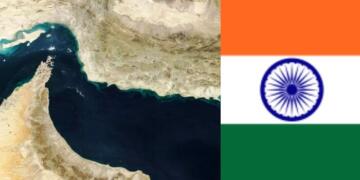


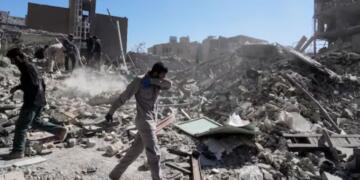







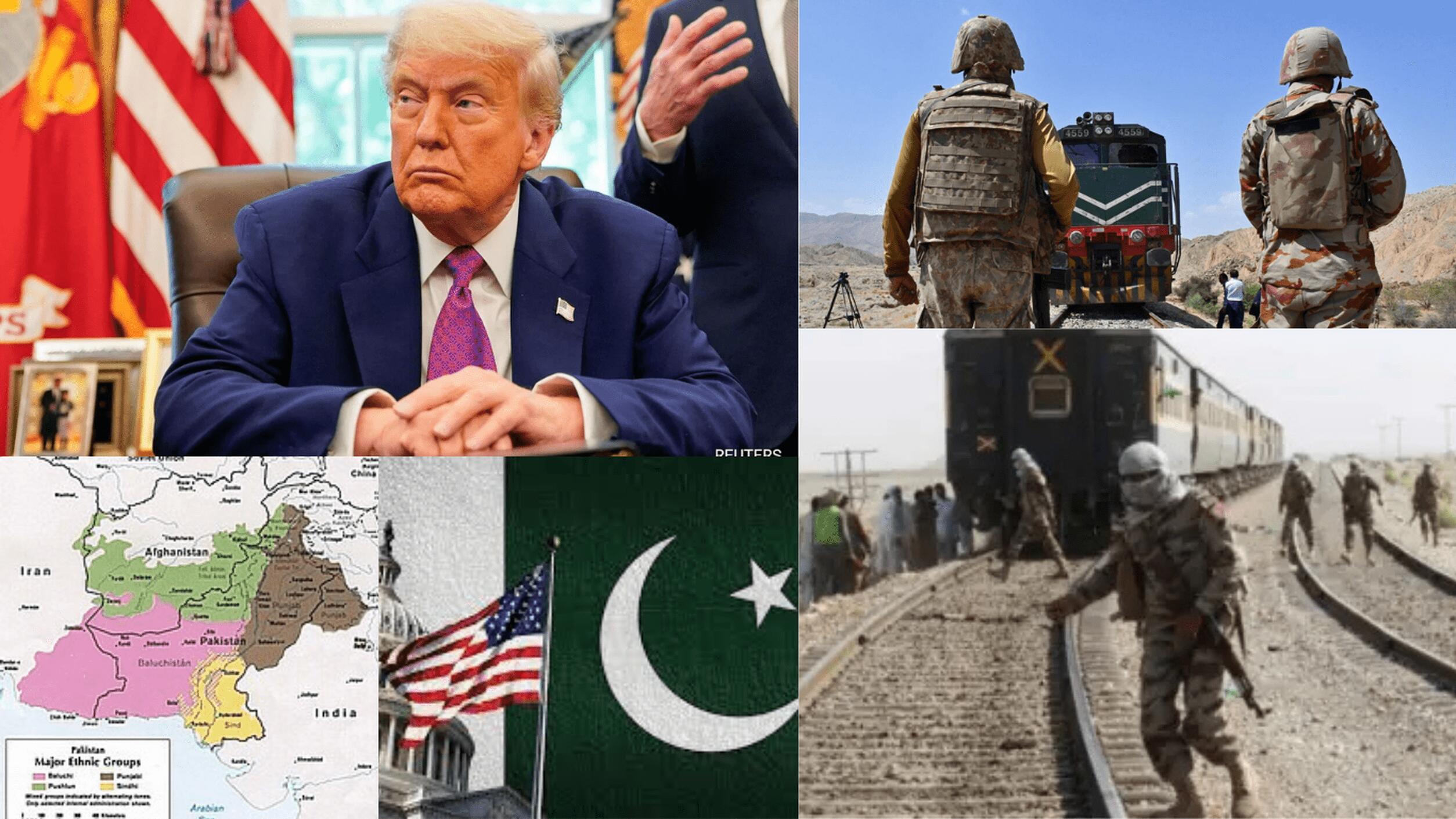
In a move with potentially far-reaching geopolitical consequences, the Trump administration has designated the Balochistan Liberation Army (BLA) and its suicide unit, the Majeed Brigade, as terrorist organisations — just days after announcing a partnership with Islamabad to exploit Pakistan’s “massive” oil reserves. The developments have sparked fears that the volatile, resource-rich province of Balochistan could become the latest theatre for a global power struggle, with Washington’s economic ambitions intersecting with Pakistan’s domestic conflicts and narratives against India.
US Terror Designation Strengthens Pakistan’s Hand
On 11 August, the United States placed the BLA and Majeed Brigade on its Specially Designated Global Terrorists (SDGTs) list under an Executive Order. This mirrors a similar move made in 2019 and blocks any US-linked financial assets, while prohibiting American individuals and businesses from engaging with the groups.
The BLA, which operates primarily in Balochistan province, describes its activities as part of the region’s decades-long fight for self-determination against the Pakistani state. It has frequently targeted Pakistani military assets, Chinese nationals, and infrastructure tied to Beijing’s multi-billion-dollar investments in the province. These actions, the group says, are aimed at resisting resource exploitation that leaves the local Baloch population impoverished and marginalised.
The Majeed Brigade — the BLA’s fidayeen (suicide) arm — has claimed responsibility for high-profile attacks, including a recent train hijacking. Islamabad has long branded these actions as terrorism, while Baloch nationalists argue they are acts of resistance against an oppressive state.
By tightening its terror designation, Washington has effectively bolstered Pakistan’s diplomatic narrative, giving Islamabad more weight in portraying the Baloch struggle as externally backed militancy, often pointing fingers at India.
Baloch Rejection and Historical Grievances
Baloch groups have rejected the US designation outright, insisting that their fight is rooted in decades of state violence, economic marginalisation, and even environmental devastation from Pakistan’s nuclear tests in the province. They accuse Islamabad of using extremist proxies like IS-Khurasan to crush peaceful Baloch voices and point out that the Baloch have historically avoided targeting US interests, even during the Soviet-Afghan war and NATO operations post-9/11.
The roots of their grievances run deep. Balochistan was once an independent entity under the Khan of Kalat. When the British departed India in 1947, a Standstill Agreement briefly recognised its independence. But in 1948, Pakistan forcibly annexed the territory, triggering resistance that has never truly subsided. Since then, Balochistan has endured five major insurgencies — in 1948, 1958, 1962, 1973–77, and the ongoing conflict that began in the early 2000s.
The Pakistani state’s “Kill and Dump” policy, launched in 2009, has seen scores of activists abducted, tortured, and killed. For many Baloch, the BLA remains the most visible symbol of armed resistance against decades of what they see as economic plunder and cultural erasure.
Trump’s Oil Announcement and the Baloch Connection
The controversy deepened when, just hours before confirming the terror tag, US President Donald Trump announced a new deal with Pakistan to jointly develop its oil reserves. “We have just concluded a Deal with the Country of Pakistan, whereby Pakistan and the United States will work together on developing their massive Oil Reserves… Who knows, maybe they’ll be selling Oil to India some day!” Trump posted on Truth Social.
While Trump did not name specific locations, much of Pakistan’s known and prospective oil and gas reserves lie in Balochistan. The province is already the site of major resource extraction projects — copper and gold at Saindak, the world-class Reko Diq deposit, and the Sui gas field — yet remains Pakistan’s most underdeveloped region. Locals argue that these resources are extracted for the benefit of Pakistan’s elite and foreign investors, with little reinvestment in Baloch communities.
Baloch leaders have warned that US involvement in the province’s energy sector could deepen militarisation, as Pakistan seeks to secure foreign investments through increased force against dissenters. One prominent figure, Mir Yar Baloch, wrote to Trump claiming that Pakistan had misrepresented the location of these reserves, arguing they lie in the “Republic of Balochistan” and not Pakistan proper. He cautioned that any deal would empower Islamabad’s military and intelligence services, rather than benefit the Baloch people.
India in the Crosshairs of the Narrative Battle
For decades, Pakistan has accused India of fomenting unrest in Balochistan through covert support for separatist groups — allegations New Delhi has consistently denied. This pattern has continued in recent months. After a deadly school bus blast in Khuzdar in May 2025, Pakistani officials blamed India’s intelligence agency, RAW. Similar claims have followed other incidents, including the 2018 attack on the Chinese consulate in Karachi and the 2020 Karachi Stock Exchange assault.
The timing of Washington’s terror designation risks amplifying Islamabad’s rhetoric, especially as Trump’s oil deal is rolled out. The convergence of US economic interests and Pakistan’s internal security agenda could see Washington indirectly endorsing elements of Islamabad’s India-centric narrative, whether intentionally or not.
For India, this creates a dual challenge: countering false allegations on the global stage while also monitoring the strategic implications of deepening US-Pakistan cooperation in a region of direct security concern.
Balochistan’s Future at a Dangerous Crossroads
The simultaneous US terror designation of Baloch rebel groups and Trump’s announcement of an oil partnership with Pakistan has placed Balochistan at the intersection of resource politics and counterterrorism policy. On paper, the moves are separate — one aimed at curbing militancy, the other at boosting energy collaboration. In reality, they are deeply linked.
Balochistan is not just another Pakistani province; it is a historically contested land, rich in untapped wealth but plagued by political neglect and violent suppression. Any foreign investment that ignores these realities risks becoming complicit in the cycle of exploitation and repression.
If Washington presses ahead without addressing the legitimate grievances of the Baloch people, it could find itself embroiled in yet another complex insurgency — one that blends ethnic nationalism, resource sovereignty, and regional rivalries. The parallels with past US entanglements in resource-rich but politically unstable regions are hard to ignore.
In the end, the question is not just whether Balochistan will become another “oil war” front for America. It is whether the people of Balochistan will once again be sidelined as global powers and regional states carve up their land for profit, leaving them to bear the costs of a conflict they did not invite but have endured for over seven decades.





