












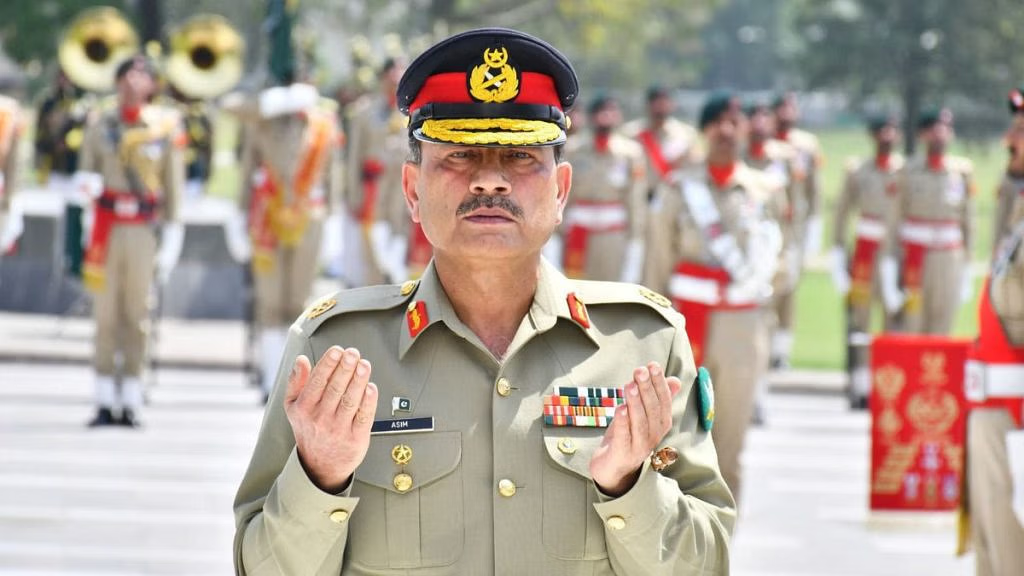
A large number of people took to the streets in Pakistan-occupied Kashmir (POK) on Wednesday, protesting against the Pakistani army. In Rawalakot, demonstrators accused Army Chief Asim Munir of acting at the behest of the United States and violating the human rights of Kashmiris. During the protest, people were chanting slogans like, “अमेरिका ने कुत्ते पाले- वर्दी वाले, वर्दी वाले” which in english translates to “America has trained dogs- uniformed ones, uniformed ones.”
The protest in Rawalakot took place on the eve of Pakistan’s Independence Day (August 14). Locals called Asim Munir a “puppet of America” and expressed anger against the policies of the Pakistani army.
This is not the first time that people in POK have openly protested against the Pakistani army and government. In previous years, anger against the Pakistani military has been seen in Muzaffarabad, Rawalakot, and other cities. Protesters have repeatedly surrounded security forces to express their dissent.
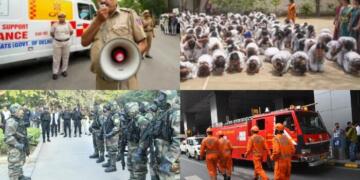
Last May, violent protests broke out in Muzaffarabad over rising inflation, soaring flour prices, and increasing electricity bills. During those protests, Pakistani security forces fired tear gas, and protesters also attacked security personnel.
Pakistani Army’s Oppression and the Reality of POK
Pakistan often accuses India regarding Kashmir, but the people living in POK themselves are troubled by Pakistan’s policies. The Pakistani government claims POK is “free,” but ongoing oppression has been creating anger among the local population. Voices supporting India are also slowly starting to be heard in POK.
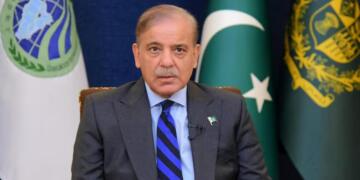
The Pakistani government has taken strict measures to suppress the protesters. On Tuesday, Pakistani Prime Minister Shehbaz Sharif issued threats to India, while Army Chief Asim Munir also targeted India.
Last year, violent protests erupted in POK over inflation and rising electricity bills. There have been repeated protests in POK against the Pakistani army and government. Amid India-Pakistan tensions, the people of POK are openly expressing their dissatisfaction with Pakistan’s policies.
The increasing protests in POK indicate that the policies of Pakistan’s army and government are unacceptable to the local population. This dissent could become an internal challenge for Pakistan in the future and may escalate regional tensions.