
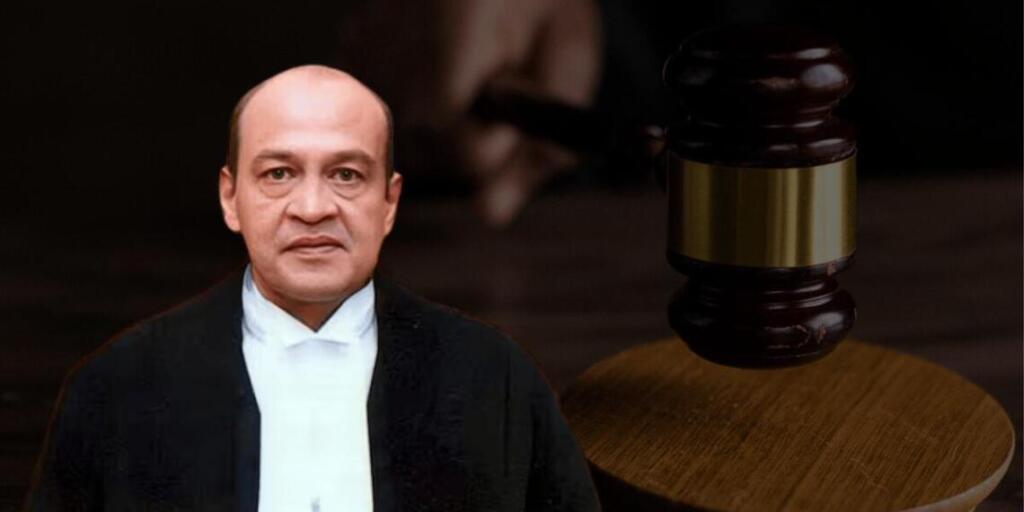
Lok Sabha Speaker Om Birla on Tuesday accepted a motion signed by 146 Members of Parliament seeking the impeachment of Justice Yashwant Varma, after a massive stash of unaccounted cash was recovered from his official residence earlier this year.
In a step forward, the Speaker also announced the formation of a three-member inquiry committee to investigate the allegations.
The panel comprises Justice Aravind Kumar of the Supreme Court, Justice Maninder Mohan, Chief Justice of the Madras High Court, and senior advocate BV Acharya.
“The committee will submit its report as early as possible. The proposal for impeachment will remain pending till the receipt of the report,” Speaker Birla stated in the House.
The impeachment of a judge is governed by Article 124(4) of the Constitution. Under the prescribed procedure, the committee will examine the charges, gather evidence, and cross-examine witnesses.
Once its findings are submitted, the report will be placed before the House where the motion originated.
If the panel finds Justice Varma guilty of misbehaviour or incapacity, the motion will be put to a vote in both Houses of Parliament.
To pass, it must be supported by a two-thirds majority of members “present and voting” in each House.
With both the ruling coalition and opposition reportedly in agreement on proceeding with impeachment, the process is expected to move forward without significant hurdles.
The development follows the Supreme Court’s dismissal of Justice Varma’s plea challenging the findings of an earlier in-house inquiry and the then Chief Justice of India’s recommendation to the President for his removal.
The controversy erupted on March 14, when a fire at Justice Varma’s official residence in Delhi led to the discovery of large stacks of cash—some reportedly over 1.5 feet high. At the time, the judge was not present at the premises.
In the immediate aftermath, Justice Varma was transferred from the Delhi High Court to the Allahabad High Court, and all judicial responsibilities were withdrawn from him.
An in-house inquiry panel was constituted by the Supreme Court, which examined 55 witnesses before concluding that there was “sufficient substance” in the allegations.
The panel found that Justice Varma and his family had “active control” over the room where the cash was found and recommended his removal.
Justice Varma contested the findings, alleging that the inquiry was conducted in a “pre-determined manner” and that he was denied a fair chance to defend himself.
However, the Supreme Court rejected his petition, ruling that no violation of fundamental rights had occurred.