
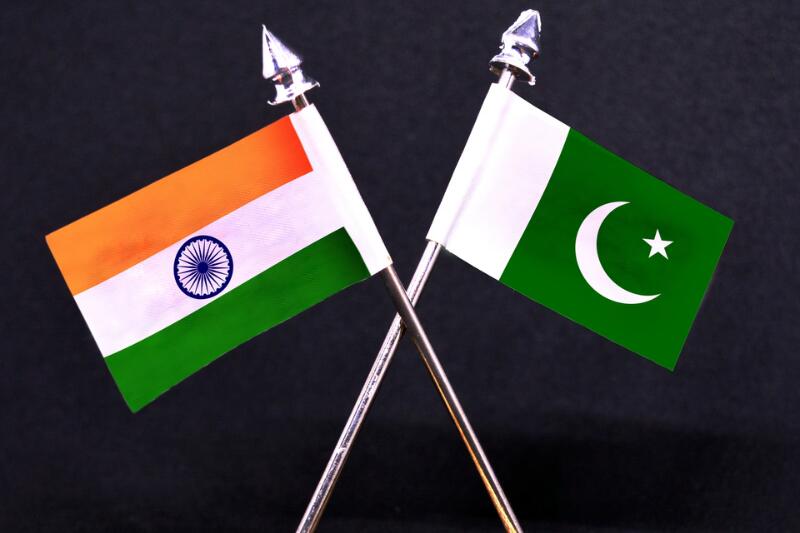
India is gearing up to take reciprocal steps against Pakistani diplomats in the country, following a series of reported harassments faced by Indian officials stationed in Islamabad. According to government sources, New Delhi is not taking the issue lightly and plans to match Pakistan’s actions measure for measure.
Indian diplomats posted in Islamabad have allegedly been facing increasing difficulties in recent weeks. These include:
Frequent disruptions in essential services like gas and water supply to their homes and offices.
Heightened surveillance by local security agencies, making daily operations more challenging.
Cut-off in newspaper deliveries, both at the Indian High Commission and diplomats’ residences, since June.
Sources say these tactics closely resemble similar disruptions Indian officials experienced during a diplomatic standoff in 2019.
India’s Planned Response
In response to what it views as deliberate provocations, India is preparing to implement “reciprocal measures” against Pakistani diplomats based in India. One of the first steps taken has been to halt the delivery of newspapers to Pakistani officials — directly mirroring the move in Islamabad.
Officials say India’s response is measured but firm, aimed at sending a clear message without escalating tensions unnecessarily.
Nuclear Threats Add Fuel to Fire
Adding to the strained atmosphere, India has strongly criticized comments made by Pakistan’s Army Chief, General Asim Munir, who reportedly said that if a war were to break out with India, Pakistan would consider using nuclear weapons — even if it meant global destruction.
In his words: “If we think we are going down, we’ll take half the world down with us.”
India’s Ministry of External Affairs (MEA) condemned the statement as “nuclear sabre-rattling” and called it highly irresponsible, especially given longstanding concerns over the safety and credibility of Pakistan’s nuclear command and its ties to extremist elements.
India also expressed disappointment that such remarks were made from a third country considered friendly to both nations, hinting at discomfort over the setting in which the comments were delivered.
Where Things Stand
India’s approach appears focused on maintaining diplomatic pressure while avoiding unnecessary escalation. By implementing equivalent measures, it aims to underline that harassment of its diplomats will not go unanswered.
This tit-for-tat exchange highlights the fragile nature of India-Pakistan diplomatic relations, where even minor provocations can quickly escalate into broader tensions.
Pakistan’s actions have likely been initiated after Operation Sindoor. It was a swift and strategic military strike launched by India on May 7, 2025, in response to a deadly terrorist attack in Pahalgam that claimed the lives of Indian security personnel and civilians. The operation was designed to target terror camps across the border in Pakistan and Pakistan-occupied Kashmir without provoking a full-scale conflict. Within just 25 minutes, Indian forces successfully struck nine high-value terrorist launch pads, eliminating around 70 militants.
The strikes not only showcased India’s military readiness and technological edge but also sent a strong message about its evolving doctrine of offensive defence. The psychological impact on the adversary was significant, reinforcing India’s position that it would not tolerate cross-border terrorism and would respond decisively when provoked.