
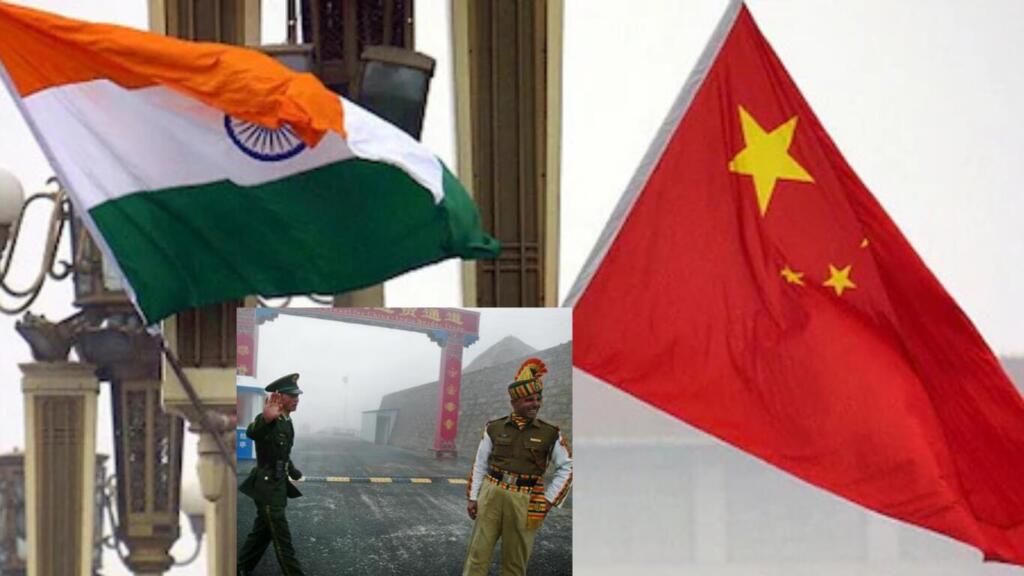
India and China are holding quiet discussions to restart border trade of locally made goods after more than five years, in what appears to be another step toward easing tensions between the two Asian neighbors, said a Bloomberg report, according to officials in New Delhi familiar with the matter.
Both sides have proposed reopening trade through designated points along the shared Himalayan frontier. While talks remain private, officials say the discussions indicate a willingness to restore one of the oldest local-level economic exchanges between the two countries.
China’s Ministry of Foreign Affairs has publicly expressed support for the move, stating it is “willing to step up communication and coordination with India” to resume the trade. The ministry noted that such exchanges have “long played an important role in improving the lives of the two countries’ border residents.”
Trade That Stalled Amid Pandemic and Border Clashes
For more than three decades, India and China engaged in small-scale border trade through three designated points along their 3,488-kilometer Himalayan boundary. The items exchanged were locally produced goods including spices, carpets, wooden furniture, cattle fodder, pottery, medicinal plants, electric items, and wool.
The trade was modest in monetary terms, valued at just $3.16 million in the 2017–18 fiscal year, according to the most recent available Indian government data. However, it served as an important livelihood source for residents living near the high-altitude trade routes.
The exchange came to a halt in early 2020 during the Covid-19 pandemic. The suspension coincided with the sharp downturn in relations following the deadly Galwan Valley clash in June 2020, in which soldiers from both sides were killed.
Signals of Thaw in Relations
According to Bloomberg, the latest border trade discussions mark another sign that ties between India and China are slowly moving toward normalization. In the past year, both sides have taken limited but visible steps to manage border tensions and reopen channels of engagement.
Direct flights between the two countries are expected to resume as soon as next month. Beijing has also eased restrictions on certain fertilizer exports to India, signaling a willingness to address trade irritants.
Prime Minister Narendra Modi is expected to travel to China in August to attend the Shanghai Cooperation Organisation (SCO) summit. If confirmed, it would be his first visit to the country in seven years. A bilateral meeting with Chinese President Xi Jinping is likely to take place on the sidelines of the summit, giving both leaders a chance to directly address outstanding issues.
Why This Matters Despite Low Trade Value
While the monetary value of the border trade is negligible compared to the $136 billion overall trade between India and China in 2023, its symbolic importance is greater. The reopening would represent a shift in tone and signal that both capitals are ready to explore practical measures to reduce friction.
Border trade was traditionally viewed as a confidence-building measure, especially for frontier communities that often bear the brunt of military tensions. Resuming it could also pave the way for other small but tangible steps toward rebuilding trust.
The move comes at a time when India’s trade tensions with the United States are rising. US President Donald Trump has imposed 50% tariffs on Indian goods — far higher than those applied to other Asian economies and has repeatedly criticized India’s trade policies. This backdrop adds a layer of strategic calculation to India’s decision to cautiously re-engage with China on certain fronts.
A Cautious but Noticeable Shift
Officials caution that while these developments suggest a slight improvement in the atmosphere, deep differences remain particularly over the disputed border. The ongoing talks over border trade do not signal a resolution of these disputes, but they do suggest a pragmatic willingness to cooperate where possible.
For now, both governments are keeping expectations low. The outcome will depend on whether the technical discussions can produce a mutually acceptable framework for restarting trade through the designated border points.
Tentative Steps Toward Stability
The current talks on reviving border trade are a small but meaningful development in the broader India–China relationship. While the economic stakes of this trade are minimal, the political signal is more important both sides appear ready to resume some form of normal interaction after years of frozen ties. If direct flights restart and border trade resumes in the coming months, it will mark the first time since 2020 that the relationship has seen multiple parallel steps toward stabilization.