
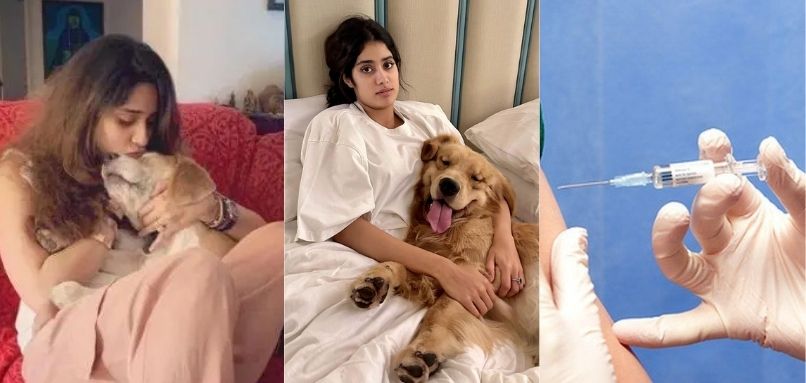
The Supreme Court’s recent order mandating the removal of all stray dogs from public spaces in Delhi-NCR and their relocation to dedicated shelters has ignited a fierce debate across social media and public discourse. While many celebrities have vocally condemned the apex court’s decision as inhumane and soulless, there are growing voices on social media questioning whether this uproar is more than mere compassion for animals, perhaps a coordinated campaign or “toolkit” pushing possibly a vaccine-related agendas or public health lobbying.
The Rationale behind SC Directive
In a landmark verdict, the Supreme Court instructed local municipal bodies and authorities to capture stray dogs roaming Delhi-NCR streets within eight weeks and relocate them to dedicated shelters. The court emphasized public safety concerns, particularly highlighting the risks stray dogs pose to children and infants through dog bites and the rising cases of Rabies.
Solicitor General Tushar Mehta articulated the government’s position during hearings, stating, “We can’t sacrifice our children merely because a few individuals feel that they are animal lovers or something.” This strongly worded statement reflects the court’s prioritization of human safety in densely populated urban areas.
Celebrity Outrage: Compassion or a Coordinated Campaign?
Almost immediately, a wave of outrage erupted across social media, spearheaded by high-profile celebrities known for their pet advocacy. Janhvi Kapoor, Varun Dhawan, Zeenat Aman, Rupali Ganguly, Sonakshi Sinha, Shriya Pilgaonkar, and Shalini Pandey, among others, voiced vehement opposition by sharing petitions on instagram.
Janhvi Kapoor shared a petition that described the dogs as “the tails wagging when children return from school,” painting a heartwarming picture of the animals as integral parts of the community. Rupali Ganguly evoked cultural and religious sentiments, highlighting the traditional reverence for dogs in Indian society and warning that their removal would mean losing protectors.
Yet, the pattern of responses- shared petitions, emotionally charged stories, and calls for “more humane, science-backed” solutions raises eyebrows about the coordination and timing of these messages. The rapid spread of similar narratives across multiple celebrity platforms hints at what some critics have dubbed “toolkit vibes”, a well-orchestrated propaganda campaign aiming to sway public opinion by weaponizing empathy.
While the celebrity fraternity’s love for animals is clear, there has been noticeably less discourse about the actual people who must coexist daily with stray dog populations in Delhi-NCR. Commuters, children, elderly citizens, and shopkeepers have long complained about aggressive dog behavior, dog bite incidents, and the lack of effective management.
The Supreme Court’s order addresses these concerns by focusing on public safety.
Is There a Vaccine Lobby at Work?
Another angle worth examining is the possibility of underlying interests linked to the push for mass capture and relocation of stray dogs. Vaccination against rabies and other diseases in stray dog populations is a well-known public health measure. Could this mass sheltering operation be a precursor to a large-scale vaccination drive?
If so, who benefits? Animal health NGOs, vaccine manufacturers, and related pharmaceutical interests could potentially gain from a program requiring continuous vaccination, sterilization, and shelter maintenance. Such programs, while beneficial in theory, often require significant funding and long-term commitment, raising questions about transparency and accountability..
Many animal welfare activists and experts advocate for community-driven, humane solutions such as:
Sterilisation and vaccination campaigns conducted within the dogs’ natural habitats to control population growth and disease.
Public awareness programs to educate citizens on dog behavior and safe coexistence.
Improved waste management to reduce food availability and discourage stray dog congregation.
The Supreme Court’s order has opened a complex debate that touches on public health, urban safety, animal welfare, and socio-cultural dynamics. While celebrities bring much-needed attention to animal rights, the overwhelming and coordinated opposition raises valid concerns about selective narratives drowning out critical human safety issues.
Is the love for stray dogs being weaponized as a propaganda toolkit? Or is the public safety concern being sidelined by an emotional narrative? More clarity and accountability are essential to ensure that both people and animals coexist safely in the urban landscape.