
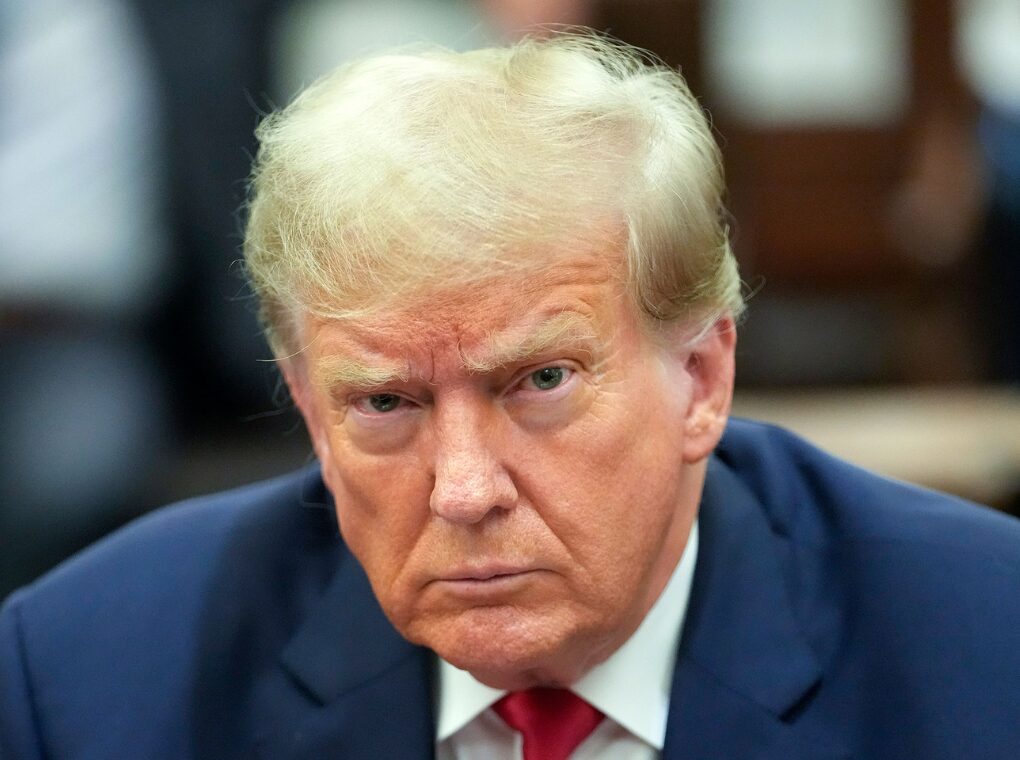
In one of the sharpest trade escalations between India and the United States, US President Donald Trump has doubled down on his tariff offensive, imposing a second round of 25% duties on Indian imports, making India, along with Brazil, the country facing the highest tariff wall in the US. The order accuses India of undermining Western sanctions aimed at isolating Moscow over its invasion of Ukraine, particularly India’s trade in Russian Oil.
Combined with a similar levy announced just two weeks earlier, the total US import duty on affected Indian goods now stands at 50%, a rate matched only by Brazil among Washington’s major trading partners.
Why Double Tariff on India?
The move, which the White House has tied directly to India’s continued purchases of Russian oil, has placed a significant strain on New Delhi’s export-dependent sectors, raised fears of job losses across micro, small, and medium enterprises (MSMEs), and sparked warnings from economists about a potential hit to GDP growth.
New Delhi reacted sharply, MEA Spokesperson Randhir Jaiswal called the move “unfair, unjustified and unreasonable,”. The official American explanation is that the step is linked to India’s continued energy imports from Russia. But trade experts see it as a tactical maneuver, part of Trump’s broader effort to pressure New Delhi into a trade deal favorable to US interests.
For years, Trump has described India as one of the world’s most protectionist economies, citing high tariff and non-tariff barriers that restrict American exports. His vision of “fair trade” is rooted in the idea of balanced flows, no surpluses, no deficits. Tariffs, in his strategy, are not only tools to narrow trade deficits but also weapons to force negotiations on his terms. This is not a stance reserved for India. Since taking office, Trump has imposed tariffs on Canada, Mexico, and the EU.
The mechanics are straightforward: a tariff is effectively a tax on the buyer in the importing country. With a 50% duty, American consumers will find Indian goods much costlier, pushing them toward cheaper alternatives or curbing their purchases entirely. That, in theory, reduces US imports from India and narrows the trade gap.
How Will the Tariffs Affect India?
The earlier 25% tariff came into effect in late July; the latest round will apply from August 27. Trump has repeatedly criticised India’s oil trade with Russia accusing New Delhi of profiting from discounted crude “while ignoring the human toll” of the war in Ukraine.
The immediate fallout, however, will be felt on the ground. Export-dependent sectors such as textiles, garments, seafood, and food products could face significant losses. A Ludhiana-based T-shirt supplier losing a long-time New York client may see competitors from Bangladesh or Vietnam step in, making it hard to win back those markets. The disruption could ripple across supply chains, leading to layoffs and reduced incomes in affected industries.
India’s trade relationship with the US is substantial, with bilateral commerce touching $131.8 billion in 2024–25. Exports account for $86.5 billion of that total, and the newly targeted goods form a major share.
Sectors in the Crosshairs
According to government data, 60% of India’s $91 billion exports to the US, more than $54 billion worth of goods will now face the full 50% tariff. The most affected categories include:
Textiles and apparel: Over $10 billion in annual exports
Gems and jewellery: More than $12 billion
Shrimp: Valued at $2.2 billion
Leather goods, industrial chemicals, machinery
UBS estimates that $8 billion worth of exports fall into the “highest risk” category, sectors where price competitiveness is critical, such as garments, home furnishings, and chemical intermediates. With Vietnam and Bangladesh facing tariffs in the 19–20% range, Indian exporters fear a rapid erosion of market share.
While India’s benchmark Nifty 50 index has seen limited direct fallout with only around 9% of its revenues tied to the US, investor sentiment has weakened. The bigger shock has been felt in the currency market, where the rupee has slipped and volatility has spiked, affecting foreign portfolio flows.
Not all exports are affected. Products excluded under Annexe II of Executive Order 14257 include certain minerals, metallurgical ores, fuels, and pharmaceutical precursors. Electronics and semiconductor exports, a growing area for India remain untouched, as do operations of US tech giants manufacturing in India.
Domestically, the Indian government is weighing targeted relief measures such as interest subsidies and export credit guarantees. Officials say these will be considered more seriously if the 21-day negotiation window closes without resolution.
Donald Trump’s tariff blitz has pushed US–India trade relations to their most contentious point in years. For New Delhi, the stakes are enormous, billions in export revenue, the livelihoods of millions in MSME-driven industries, and precious GDP points are all on the line. As the clock ticks toward August 27, the next three weeks may determine whether this is a temporary flare-up or the beginning of a prolonged trade war.