
The US tariffs are far more likely to harm American manufacturers and strain a crucial geopolitical alliance. Washington’s hypocrisy penalizing India while continuing its own trade with Russia has exposed the selective nature of its foreign policy.
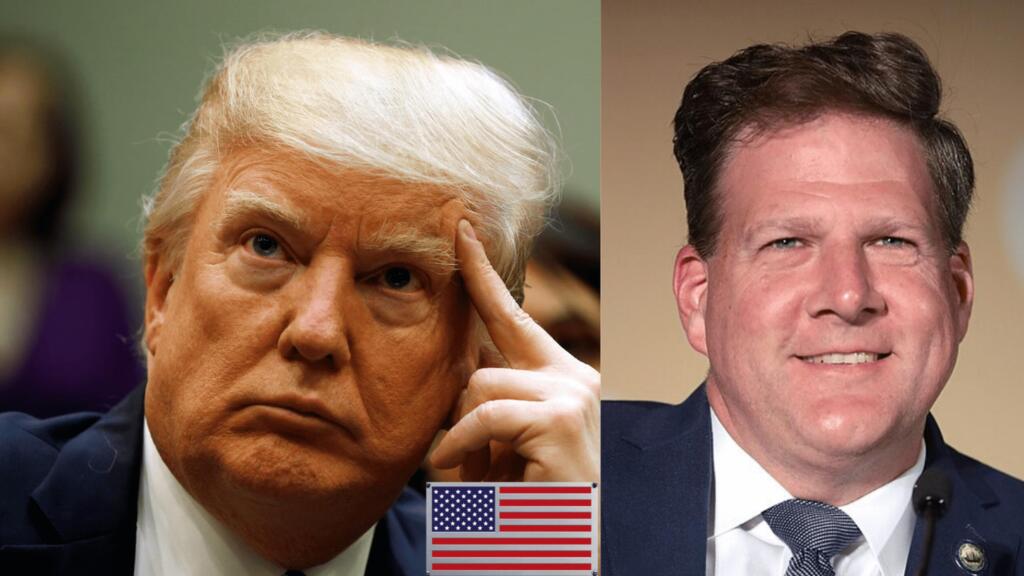
Former Republican Governor Chris Sununu said, “I just think that the India one scares US manufacturers the most. I can’t tell you why, I’m not a manufacturer, but that’s the one I hear the biggest concern about, because they’re our ally, this should be the easy one. India is going to be the world player, right?”
This sentiment is growing among US policy experts and trade analysts, who believe that President Donald Trump’s decision to impose 50% steep tariffs on Indian goods could ultimately backfire on American industries and disrupt a crucial global partnership. Trump’s punitive action, triggered by India’s continued import of Russian oil, has raised more questions about Washington’s double standards and economic aggression than it has answered.
US Tariffs and India’s Firm Response
On August 6, US President Donald Trump imposed an additional 25% tariff on Indian goods, bringing the total up to 50%. The executive order cited India’s persistent oil trade with Russia as the reason. In doing so, Trump effectively penalized India for prioritizing its own energy security and national interest despite the fact that the United States itself continues to import uranium and chemical fertilizers worth billions of dollars from Russia.
India’s Ministry of External Affairs (MEA) wasted no time in denouncing the move as “unfair, unjustified, and unreasonable.” It reiterated that India’s energy imports are governed by market dynamics and the need to secure fuel for its 1.4 billion citizens. The MEA further pointed out that India is not alone in importing oil from Russia, yet has been unfairly singled out.
“We will take all necessary actions to safeguard India’s national interests,” the ministry stated emphatically.
Experts Warn of Blowback to American Economy
Market expert David Woo, in an interview with CNBC, explained that the move might backfire on the United States itself. “If the Indians hold out, they might find that Trump will chicken out. Trump has no appetite for higher oil prices. So the question is whether Modi will play this game of chicken with Trump,” Woo said.
NATO advisor F Krystle Kaur also criticized Trump’s decision, calling it harmful to long-term US-India relations. “Placing 50% tariffs on India is detrimental to not just trade but the overall relationship. It creates mistrust,” she said. “This is Trump’s power play, but it could backfire.”
Indian economist Sharad Kohli went further. “The decision is self-destructive. Trump doesn’t even know the consequences. He’s alienating a major ally that powers American technology and healthcare sectors.”
US Hypocrisy: Imports from Russia Continue Unchecked
One of the most glaring criticisms of Trump’s move is the blatant double standard. While Washington targets New Delhi for doing business with Russia, the US itself imports key materials like uranium and fertilizers from Moscow—trade worth billions.
When asked by a reporter about the hypocrisy of targeting India while continuing imports from Russia, President Trump dodged the question. “I don’t know about that,” he said, offering no clarity or justification.
Meanwhile, China, another large importer of Russian oil, has not been subjected to similar trade penalties. Trump has hinted at action against Beijing but has yet to make any concrete moves. This selective enforcement further underscores how politically motivated and erratic the US stance is.
India Explores Strategic Responses and Relief Measures
With the new tariffs taking effect 21 days from August 7, the Indian government is preparing a two-pronged approach: defend at the diplomatic level while supporting exporters at home. Sources in the Ministry of Commerce have indicated that interest subsidies, credit guarantees, and targeted export relief packages are under consideration.
India is also not ruling out engaging with alternative partners. PM Modi’s upcoming visit to China his first in over seven years—could signal a reevaluation of India’s global alliances in response to US hostility. Though India prefers not to escalate tensions, this visit sends a message that strategic options are on the table.
India Must Stand Firm
By standing firm, India not only protects its economic sovereignty but also asserts its role as a global power that will not bow to pressure. Observers agree: if India holds its ground, President Trump may have no choice but to back down.
India must continue to act in the national interest—with dignity, resolve, and strategic foresight. As the world watches, New Delhi’s response will set a precedent for all emerging powers dealing with economic bullying by larger nations.