











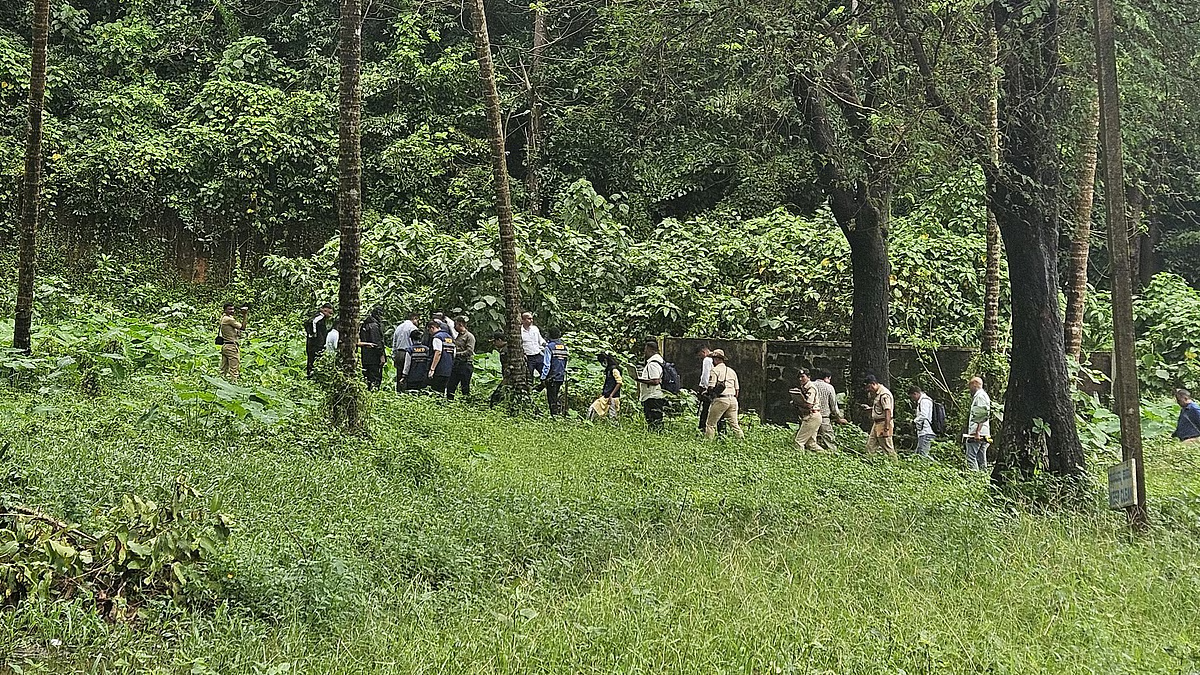
A sensational allegation of mass burials at the revered Dharmasthala temple in Karnataka turned out to be a major hoax, with state investigation (SIT) teams finding no evidence after digging 17 sites, according to a report from news portal OpIndia.
As the claim crumbles, politics in Karnataka has erupted, with the BJP accusing the ruling Congress of mishandling the case and defaming a sacred institution, while the government vows strict action against those behind the falsehood.
As per the report, what began as a chilling claim of mass rapes and murders in Dharmasthala has unraveled into what appears to be a fabricated narrative. After weeks of intense scrutiny, multiple excavations, and forensic analysis, the Special Investigation Team (SIT) probing the allegations found no evidence to support claims of mass graves near the famed Lord Manjunatha temple.
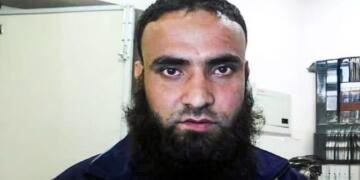
The explosive case had gripped Karnataka ever since an unidentified “masked man” appeared in court in early June, claiming to be a former sanitation worker at the temple who was allegedly forced to bury dozens of women and minor girls killed between 1995 and 2014.
He even submitted a skull and skeletal remains, which he claimed were exhumed from one of the 13 sites he pointed out.
Given the gravity of the allegations, the Karnataka government formed an SIT on July 19. Excavations at the identified locations began shortly after. However, what followed was a systematic dismantling of the narrative.
Out of 17 sites dug so far, no evidence of mass burials has been found. The skull submitted by the masked complainant turned out to be male, not female, and was estimated to be around 30 years old, as confirmed by two independent hospital tests.
Other skeletal fragments discovered at one site also belonged to a male. One set of ID cards recovered pointed to a man who had died of illness.
Even Ground Penetrating Radar (GPR) scans, which were deployed at the masked man’s insistence, revealed no buried remains at sites he had described as holding up to 100 bodies. Particularly, Site No 13, which was expected to yield major findings, yielded nothing.
The report claimed that the complainant’s behavior has increasingly raised suspicions. At Site No. 11, he abruptly changed his statement, leading SIT officials 150 metres away to a place where bones were allegedly lying on the surface.
Yet again, forensic experts concluded these were male remains, and the site appeared to be linked to a probable suicide, with male garments and a red saree found hanging from a tree.
Despite overwhelming evidence contradicting the man’s claims, a few more sites — including one indicated by a second complainant — will still be examined to close the investigation.
Meanwhile, political temperatures have soared. The BJP launched a large protest rally in Dharmasthala, demanding legal action against the “conspirators” for maligning the temple.
BJP leader S R Vishwanath said the party had initially withheld comment in case the allegations were true, but with investigations ruling out foul play, they were now standing in “defence of Dharmasthala’s honour.”
Deputy Chief Minister DK Shivakumar hit back, saying, “The BJP was silent when the complaint was first made. Now they’re trying to politicize the issue for religious mileage. Hinduism isn’t their private property.”
Shivakumar assured that strict action would follow if the allegations are indeed proven false, and emphasized that attempts to damage the reputation of Dharmasthala will not be taken lightly.
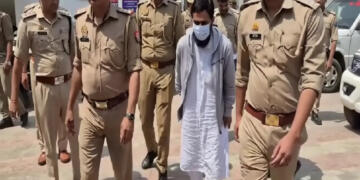
The masked man remains under witness protection, and in a recent interview with India Today, maintained that the bodies could not be found due to natural disturbances or development work over the years.
With public outrage growing — particularly among devotees and temple supporters — the government now faces pressure to not only bring clarity but also accountability.
As the dust settles, one thing is clear: the tale of mass graves in Dharmasthala may have caused ripples, but it stands on no factual ground.