

















Uttarakhand Chief Minister Pushkar Singh Dhami has alleged that a deliberate attempt was made to defame the Kanwar Yatra, a major Hindu pilgrimage drawing millions of Shiva devotees annually. During a review visit to Haridwar, he stated that the event has historically remained peaceful and orderly, crediting both devotees and authorities for maintaining discipline.
Chief Minister Dhami said some elements were trying to portray the yatra in a negative light through misinformation and distorted narratives. He warned that any such effort to malign a spiritual tradition would not be tolerated and asserted that the state government remains fully committed to the pilgrims’ safety, convenience, and dignity.
He also praised the coordination between police, local administration, and volunteer groups for their role in managing the large influx of pilgrims. Additional arrangements, including traffic regulation, emergency medical services, and sanitation, have been implemented this year to enhance the experience.
CM Dhami called on the public and media to distinguish between isolated incidents and the overall peaceful nature of the pilgrimage, urging people not to fall for attempts to politicize or communalize religious events.
What is the Kanwar Yatra?
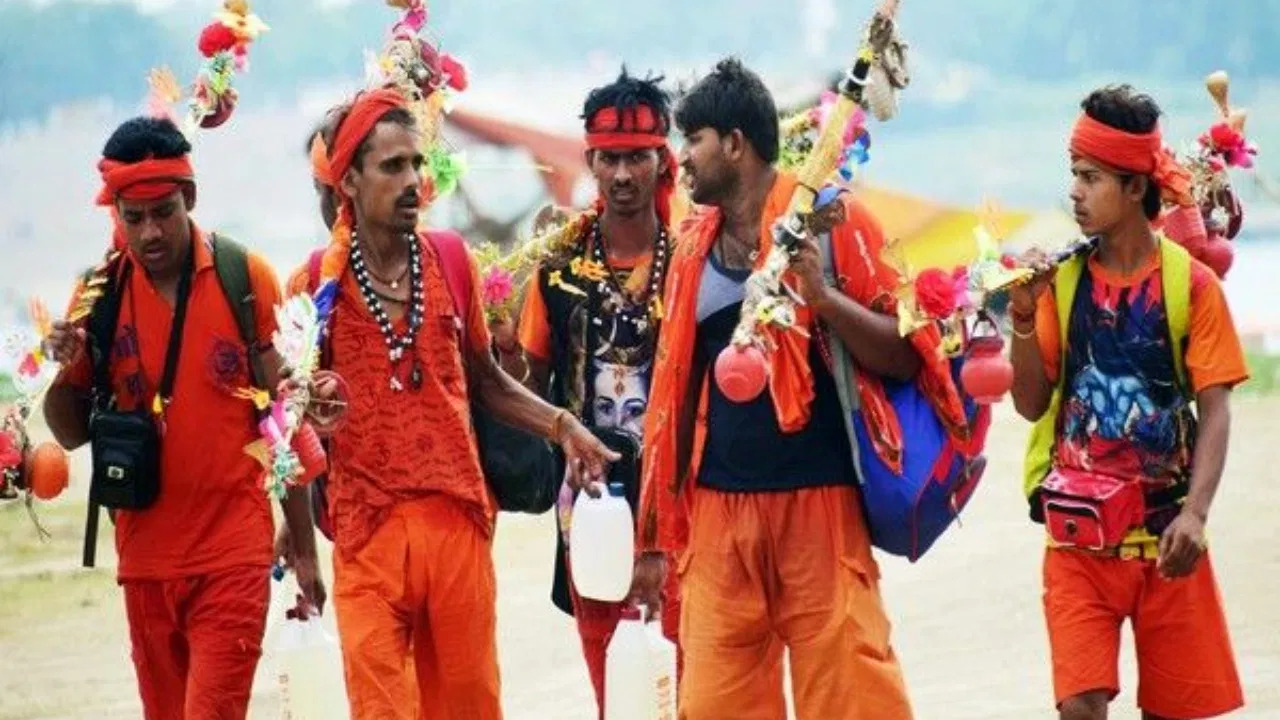
The Kanwar Yatra is one of the largest annual Hindu pilgrimages, observed during the sacred month of Shravan (Sawan)—this year falling between July 11 and July 23, 2025. The Kanwar Yatra, which involves devotees carrying holy Ganga water on foot to Shiva temples, is currently at its peak in states like Uttarakhand, Uttar Pradesh, Bihar, and Delhi.
Devotees known as Kanwariyas, dressed in saffron attire, undertake long, often barefoot journeys to collect sacred water from the Ganga river. Key pilgrimage sites include Haridwar, Gaumukh, Gangotri in Uttarakhand, and Sultanganj in Bihar.
The holy water is carried back in intricately decorated bamboo structures known as Kanwars. Once back home or at designated temples, devotees perform the ritual of Jal Abhishek, offering the Ganga water to Lord Shiva’s Shivlingas as a symbol of devotion and purification.
Scale, Routes, and Practices
The scale of the yatra is massive, millions of devotees participate each year. In Haridwar alone, the footfall has reached nearly 30 million pilgrims in recent editions.
Various types of Kanwars exist, including Khadi Kanwar, where the water must not be set down once lifted. The routes span hundreds of kilometers, often extending through Uttar Pradesh, Delhi-NCR, Haryana, and Uttarakhand, with camps, rest stations, and civic arrangements made by local authorities to support the flow of pilgrims.