













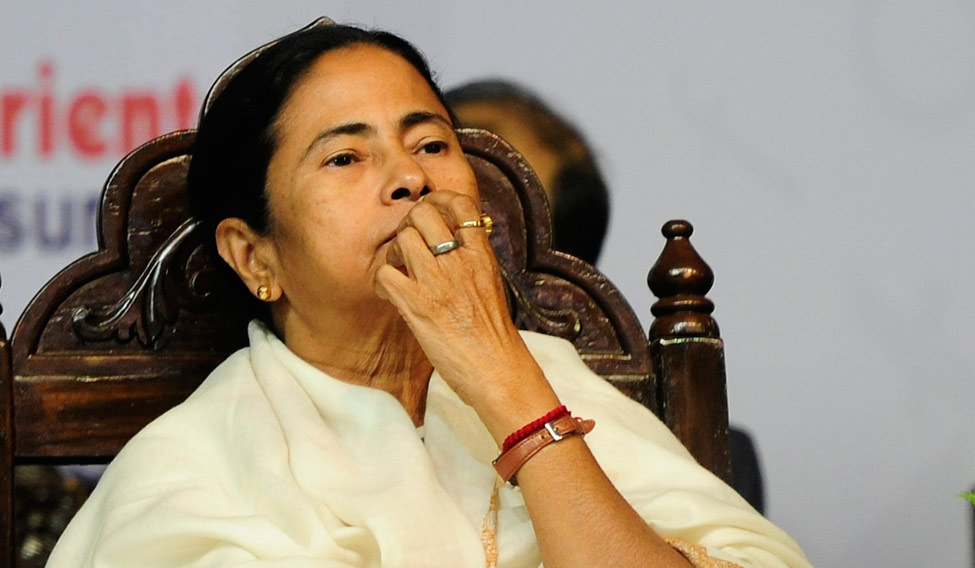
At the heart of Kolkata’s Martyrs’ Day rally, TMC’s MP Abhishek Banerjee dialed up the rhetoric by instructing all Trinamool Congress MPs to speak only in Bangla in Parliament. Delivered with signature fire and wrapped in cultural pride, the statement was pitched not just as a linguistic preference, but as a political stance; ‘We are Bengalis, and we will never bow down.’
Banerjee also took aim at the BJP’s supposed shift in tone citing how ‘Joy Maa Kali’ and ‘Joy Maa Durga’ have started replacing ‘Jai Shri Ram’ in party rallies. The message? Trinamool isn’t just influencing policy, it’s influencing vocabulary.
But as the rallying cry for Bengali pride gets louder, one wonders: in the nation’s most multilingual forum, does language unite, or does it draw sharper lines?
Cultural Assertion or Parliamentary Performance?
While defending the use of Bangla in Parliament as a matter of dignity and identity, the Trinamool may find itself in an interesting situation. Several of its MPs including Yusuf Pathan, Shatrughan Sinha, Kirti Azad, and Saket Gokhale don’t speak Bengali.
If the pledge is taken literally, will these TMC’s MPs deliver speeches in a language they don’t understand? Or is the announcement meant more for crowds at home than the actual benches of Parliament? Could it be that identity, when turned into instruction, begins to feel more symbolic than sincere?
And if regional language becomes a badge of honour in Parliament, might other parties follow suit? Will DMK MPs speak only in Tamil? Shiv Sena MPs in Marathi?
Between Identity and Optics
Banerjee’s critique wasn’t just about language. He attacked the BJP for what he called ‘anti-Bengali’ sentiments referring to comments made by Assam Chief Minister Himanta Biswa Sarma and citing the use of Foreigners Tribunals allegedly targeting Bengali-speaking individuals. It’s a sharp narrative, framing Trinamool as both protector and voice of Bengali identity under siege.
But in projecting that identity so aggressively, is the party also reducing it to performance? Can Bengali pride be defended effectively by leaders who do not live, speak, or even campaign in Bangla? Is the party celebrating its culture or simply staging it?
A Statement in Translation
In a democracy, language can be a symbol of dignity but also a tool of theatre. Trinamool’s Bengali-only proposal might well be a sincere assertion of cultural pride. But in a party that increasingly includes voices from across the country, how practical or consistent is this linguistic line?
As Parliament reconvenes, perhaps the bigger question isn’t just what language is spoken but who is speaking it, and why. When identity becomes instruction, can authenticity be far behind or does it risk getting lost in translation?