
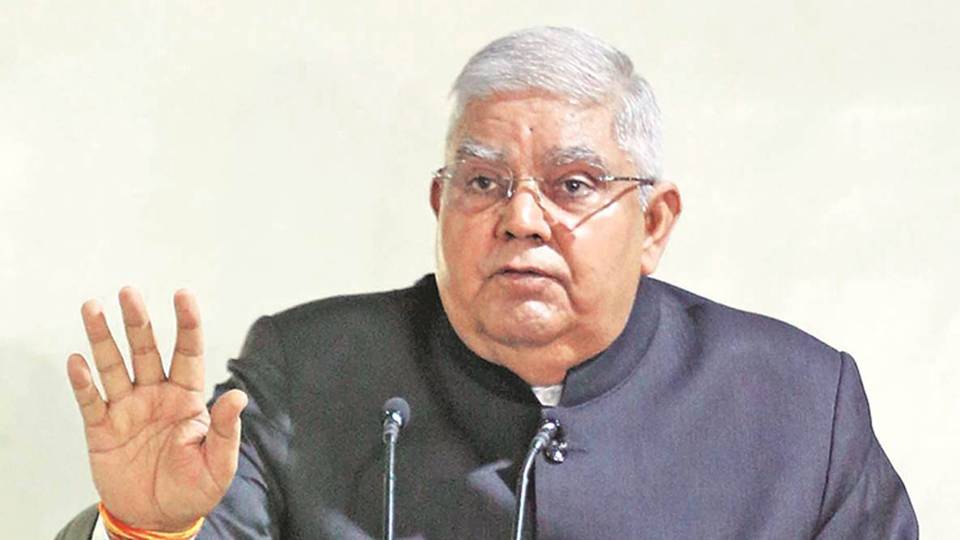
The resignation of Vice President Jagdeep Dhankhar has sent ripples across India’s political landscape, particularly within the Jat community. Once seen as a symbol of Jat ascent into national prominence, Dhankhar’s exit underscores a growing perception among Jats that their era of political preeminence is fading. Historically dominant in parts of northern India, especially during the 1980s and 1990s, the community today finds itself increasingly marginalized across states like Haryana, Rajasthan, Uttar Pradesh, Punjab, and Delhi.
From Golden Era to Political Marginalization
Haryana: The Final Bastion, Now Breached
Haryana, once a Jat stronghold, has seen the community’s influence wane significantly. After decades of Jat-led rule under leaders like Devi Lal, Bansi Lal, and Bhupinder Singh Hooda, the rise of the BJP’s non-Jat leadership since 2014 has marked a dramatic shift. Manohar Lal Khattar’s appointment as the state’s first non-Jat Chief Minister, followed by Nayab Singh Saini’s leadership, signaled a clear move away from Jat-centric governance. For the first time ever Jats have been out of the top job in the state for three cosecutive terms.
Jat-backed regional parties such as the Indian National Lok Dal (INLD) and the Jannayak Janata Party (JJP) have suffered major setbacks. In the 2024 elections, prominent Jat leaders like Dushyant Chautala lost ground, and only Arjun Chautala managed to secure a legislative seat. The once-unshakable community voting bloc has fragmented, and their discontent, exacerbated by issues like the farm laws and Agnipath scheme, has translated into electoral losses for the BJP in Jat-majority regions. The strategic move to woo non-Jat OBCs in the state came under direct guidance of Prime Minister Narendra Modi.
Rajasthan: Leadership Vacuum Post-Dhankhar
Dhankhar’s departure is especially symbolic in Rajasthan, where the community have historically been a critical electoral group, influencing as many as 50 assembly constituencies. With no clear successor or strong Jat leader at the national level, the community is grappling with a growing sense of alienation. Regional outfits like Hanuman Beniwal’s RLP are attempting to mobilize Jat sentiment, but lack the influence to offer a substantial challenge to national parties.
Western Uttar Pradesh: Divided and Dispersed
In western UP, the Jat community’s political capital has also eroded. While groups like the Rashtriya Lok Dal (RLD) and the Bharatiya Kisan Union (BKU) hold sway in certain pockets, they have failed to convert social influence into meaningful electoral gains. Despite their prominent role in the farmers’ protests, community leaders were unable to unseat BJP dominance in the 2022 state elections. A lack of cohesion and charismatic leadership continues to limit their political resurgence. The RLD has now itself become a part of the ruling NDA government at the Centre.
Delhi: Tactical Gains, Not a Power Base
The BJP’s victories in Jat-dominated areas of Delhi during the 2025 elections, such as those secured by a leader like Parvesh Verma, were more tactical than transformative. These wins don’t signify a revival of Jat political dominance but rather point to the BJP’s strategic use of local leaders to retain support without offering the community sustained political empowerment.
Punjab: Diminishing Role in a Changed Landscape
In Punjab, Jat Sikhs once held near-exclusive control over political leadership. However, the political landscape has dramatically changed with the Aam Aadmi Party’s rise. The appointment of a non-Jat Dalit Chief Minister broke a long-standing pattern and further reflects the shrinking space for Jat leadership in the state. Though Aam Aadmi Party has restored the Jat Sikh CM in the form of Bhagwant Mann, his nominal hold on power is seemingly setting clear
Why the Decline?
Several key factors contribute to the diminishing political clout of Jats across North India:
Fragmented Leadership: Once led by towering figures, the community today lacks cohesive leadership. Regional satraps operate in silos, unable to build unified platforms or negotiate effectively with national parties.
Changing Party Strategies: Parties like the BJP have actively shifted their focus to non-Jat OBC groups, sidelining traditional Jat leaders in favor of new social coalitions. This has diluted the community’s influence in party hierarchies and governance.
Social Backlash: The dominance of the community in bureaucracy, landholding, and politics in earlier decades has led to resentment among other backward and marginalized communities, making it harder to build inclusive alliances today.
Electoral Fatigue and Protest Politics: While the community led major protests, especially the farmer movement, they haven’t translated this momentum into lasting political capital. Many younger Jats express disillusionment with both legacy leaders and the failure of agitation politics to bring policy or electoral wins.
What’s Next for Jat Politics?
The road ahead appears uncertain. Some sections of the community are aligning with Congress in hopes of greater representation, especially in Haryana and Rajasthan. Others are backing newer or regional platforms like the RLP. But without a pan-northern community leadership structure or a revival of caste solidarity, the community’s fragmented voice may continue to reduce its bargaining power in Indian politics.
The symbolic end of the Dhankhar era, once hailed as a sign of Jat ascendancy at the national level, now reflects a broader truth: the age of Jat political dominance in North India is over, at least for now.