
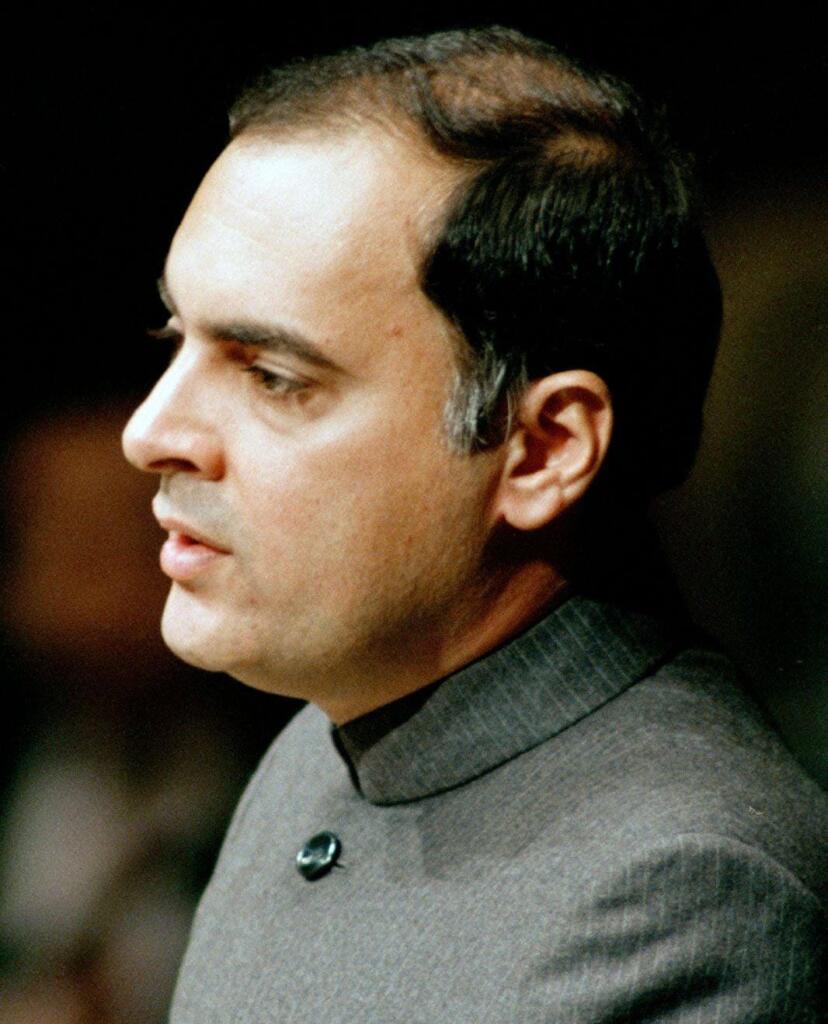
A declassified CIA memorandum dated May 21, 1986, that has since been made public, sheds light on the strategic reasons behind former Indian Prime Minister Rajiv Gandhi’s cabinet reshuffle during that period. The document titled ‘India: Gandhi’s Cabinet Changes’, brings to light the fact that the removal of then Foreign Minister Baliram Bhagat was seen by US intelligence as an attempt to ease tensions with Washington.
According to the CIA’s Directorate of Intelligence, Bhagat had openly criticized American military actions in Libya, which likely prompted his dismissal from the key diplomatic post. The memo suggests that the decision to replace him was ‘intended in part to smooth relations with Washington.’
In place of Bhagat, Rajiv Gandhi appointed P. Shiv Shankar, who was also assigned the Commerce portfolio. The CIA noted that Shiv Shankar’s dual role may have been part of Gandhi’s larger plan to boost India’s engagement with the West, especially in acquiring advanced technology.
The said document also highlights a symbolic political move within the domestic context. The then Prime Minister Rajiv Gandhi appointed Sikh leaders to head both the Home and Agriculture ministries, a decision that was interpreted by US analysts as an effort to signal New Delhi’s support for moderate Sikhs during a period of heightened tensions following the aftermath of Operation Blue Star and the assassination of Indira Gandhi.
Prepared by the CIA’s Office of Near Eastern and South Asian Analysis, the memo reflects how closely the US was monitoring internal political decisions in India, particularly those affecting foreign affairs and minority outreach.
This declassified communication is part of broader historical evidence indicating the extent to which international dynamics, especially Indo-US relations, influenced domestic political appointments in India during the Cold War era.