
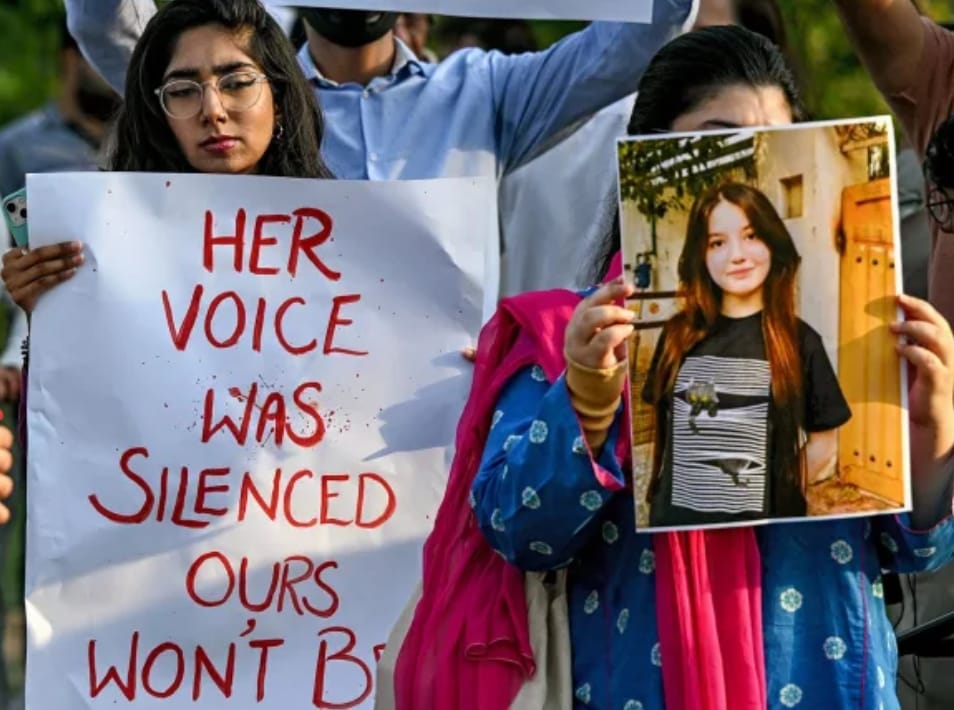
A 16-year-old girl in Rawalpindi, Pakistan, was allegedly shot dead by her father after she refused to delete her TikTok account, police said on Friday. The father, whose name has not been disclosed, asked his daughter to remove her presence from the popular video-sharing app- TikTok. When she declined, he killed her in what police have classified as an ‘honor killing’ case. He has since been arrested.
Initially, the family claimed the girl had taken her own life, but an investigation by local authorities revealed the truth. ‘The girl’s father had asked her to delete her TikTok account. On refusal, he killed her,’ a police spokesperson told media.
Honor Killings Still Widespread
Honor-based violence continues to plague Pakistan, where conservative societal norms often place rigid controls on women’s behavior, especially regarding online presence, public appearance, and personal relationships. In many communities, any perceived challenge to male authority or family honor can have violent consequences.
Earlier this year, a man in Balochistan admitted to orchestrating the murder of his 14-year-old daughter for allegedly dishonoring the family through her TikTok activity. And in 2023, four people were arrested for allegedly killing an 18-year-old woman after an edited photo of her with a boy went viral on social media.
TikTok’s Complex Role in Pakistan
TikTok is wildly popular across Pakistan, especially among youth and content creators from lower-income or less formally educated backgrounds. For many women, the platform offers rare visibility, creative expression, and even financial independence. However, its rise has sparked backlash among conservative factions and authorities, who accuse it of promoting ‘immorality.’ The Pakistan Telecommunication Authority has repeatedly banned or threatened to block the app.
The gender divide in tech access further complicates this dynamic. According to the 2025 Mobile Gender Gap Report, only 30% of women in Pakistan own a smartphone, compared to 58% of men- the widest gender gap for digital access in the world. Despite these barriers, women influencers like Sana Yousaf, who was murdered in June 2025 after rejecting a man’s advances, have found large audiences on platforms like TikTok and Instagram.
Long History of Violence Against Women for ‘Honor’
Pakistan has witnessed several high-profile honor killings in recent years. In 2016, social media star Qandeel Baloch was strangled by her brother, who later confessed to the crime, claiming she had brought shame to the family. Although he was convicted and sentenced to life in prison, he was eventually acquitted.
In 2021, Noor Mukadam, a 27-year-old woman from an influential family, was brutally murdered and beheaded by her Pakistani American acquaintance after she rejected his marriage proposal. The case caused national outrage and led to the perpetrator’s death sentence.
Cultural Tensions Between Control and Digital Freedom
These cases expose a deep-rooted conflict between Pakistan’s conservative social framework and the expanding influence of digital culture. For women and girls, navigating online spaces often comes at great personal risk, highlighting the urgent need for legal reform, protection mechanisms, and cultural change.
As social media continues to redefine identity, opportunity, and voice in Pakistan, the tragic fate of this 16-year-old girl stands as another grim reminder of how far the country has to go in ensuring safety and equality for its women, both online and offline.