


















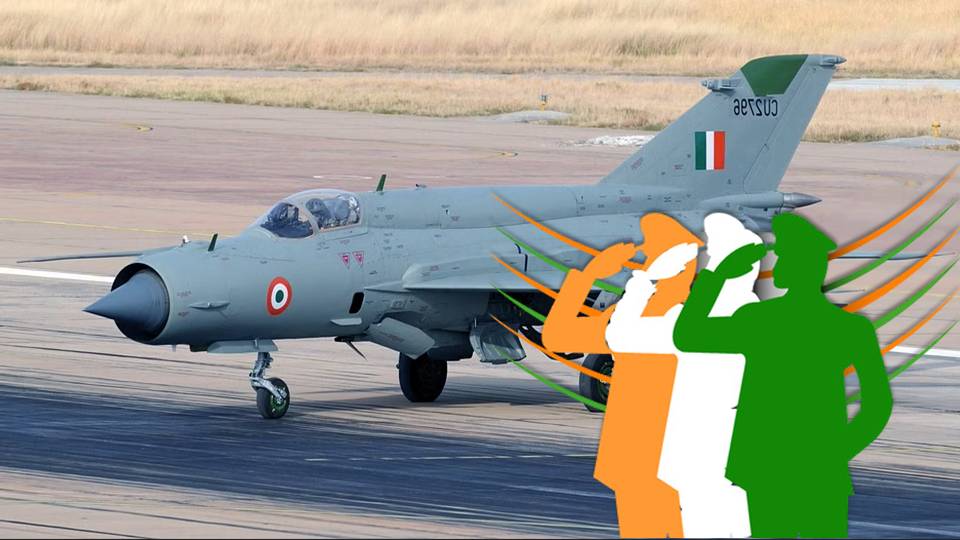
The Indian Air Force (IAF) is preparing to retire its last remaining fleet of MiG-21 Bison fighter aircraft by September 2025, bringing to an end over six decades of service by the Soviet-origin supersonic jet that once formed the backbone of India’s air defense.
The final unit operating the MiG-21, the No. 4 Squadron based at Nal Air Base in Bikaner, Rajasthan, will be decommissioned as part of the IAF’s ongoing modernization effort.
The MiG-21, first inducted into the IAF in 1963, holds the distinction of being India’s first supersonic fighter jet. It played a crucial role in several major conflicts, including the 1965 and 1971 wars with Pakistan, and continued to serve in various frontline and training roles through the years.
Once numbering over 800 aircraft, the MiG-21 fleet has gradually been reduced due to age, safety concerns, and advancements in technology. Now, the IAF is ready to retire the aircraft completely.
Safety Concerns and Operational Challenges
Over the past two decades, the MiG-21 has come under intense scrutiny due to a high rate of crashes. The aircraft has been involved in several fatal accidents, especially during training missions, leading to its infamous nickname, the “Flying Coffin.” Despite periodic upgrades to extend its life, the aircraft’s aging systems and limited survivability in modern warfare made its retirement inevitable.
Earlier phase-outs included the shutdown of the No. 51 Squadron in Srinagar in 2022 and the No. 23 Squadron in 2023. Now, with the final squadron set to retire, the MiG-21 will formally exit the IAF’s operational inventory.
Tejas Mk-1A: The Indigenous Successor
To replace the MiG-21, the Indian Air Force is turning to the Tejas Mk-1A, an advanced version of the indigenously developed HAL Tejas fighter jet. So far, the IAF has placed an order for 83 Tejas Mk-1A aircraft, with deliveries expected to begin later this year. In addition, the Defence Ministry recently approved the procurement of 97 more Tejas Mk-1As, bringing the total to 180 jets that will gradually take over roles once assigned to the MiG-21.
The Tejas Mk-1A is equipped with modern avionics, active electronically scanned array (AESA) radar, electronic warfare systems, and precision weapons, making it far more capable and survivable than its predecessor.
Squadron Strength and Strategic Planning
The IAF currently operates around 31 squadrons, against an authorized strength of 42. Phasing out older jets like the MiG-21 will initially reduce this number further. However, with Tejas Mk-1A and other upcoming inductions, the Air Force aims to restore and eventually expand its combat fleet.
Other future acquisitions, including the Rafale, Su-30MKI upgrades, and the development of the Advanced Medium Combat Aircraft (AMCA), are part of the IAF’s long-term modernization blueprint.
The Significance of the Phase-Out
The MiG-21 served as the cornerstone of India’s air power for more than 60 years, training generations of fighter pilots and proving its mettle in wartime. Its retirement signals not just the end of an aircraft platform, but the passing of a legacy deeply tied to the IAF’s post-independence evolution.
With the transition to modern, indigenous fighter jets like the Tejas, India moves closer to its goal of becoming self-reliant in defense manufacturing while building a future-ready air force.
By September 2025, the MiG-21 will fly its final mission in Indian colors. As the Indian Air Force closes this historic chapter, it simultaneously opens a new one centered on technology, safety, and indigenous innovation. The MiG-21’s retirement marks both a farewell and a forward leap in India’s defense journey.