
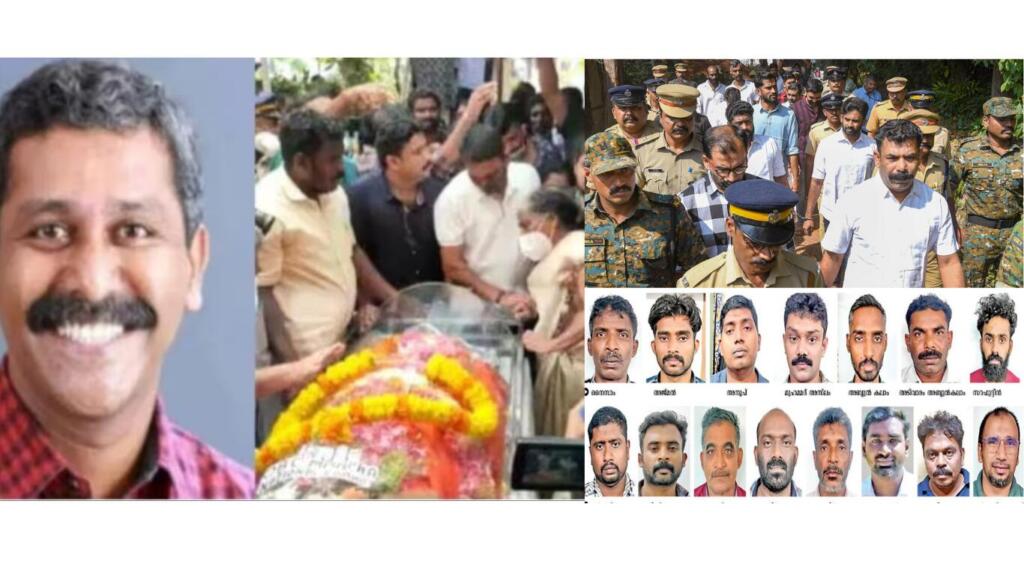
In a resounding blow to the radical Islamist outfit Popular Front of India (PFI), yet another of its operatives, Nawaz, has been sentenced to death in the brutal political assassination case of BJP state leader and RSS swayamsevak Ranjith Srinivasan. With this, the total number of PFI-linked terrorists awarded the death penalty in this single case has now reached 16 — an unprecedented development in Kerala’s judicial history. The verdict not only highlights the horrifying scale of the crime but also acts as a legal thunderclap against jihad-inspired political assassinations in the state.
Nawaz, the tenth accused, was undergoing medical treatment during the initial phase of the trial. However, as proceedings resumed, the Mavelikkara Additional Sessions Court found him equally culpable in the heinous crime. The court, led by Judge V G Sridevi, delivered the latest death sentence, reinforcing the strong precedent it had already set in January 2023, when 15 other PFI-linked radicals were sentenced to capital punishment for the same murder — a first in Kerala’s legal annals. The judgment, delivered despite the Kerala government’s perceived soft corner for PFI, has sent a clear message that such acts of terror will not go unpunished.
The Gruesome Political Murder That Shook Kerala
Ranjith Srinivasan, a popular BJP state leader and practicing lawyer, was savagely hacked to death inside his home on December 19, 2021. The attack was carried out in front of his elderly mother, wife, and young daughter — a chilling act of terror that left the entire state horrified. The killers, all affiliated with the now-banned PFI and its political wing, SDPI, executed the murder with cold-blooded precision.
This was not the first time Ranjith was targeted. His open association with nationalist organisations and his strong anti-jihadist stance had long made him a marked man. Despite repeated threats and prior attempts on his life, the state machinery failed to offer adequate protection. It was only after immense public outrage and media scrutiny that the Kerala Police acted, rounding up those directly involved. Those convicted include known PFI operatives like Nizam, Ajmal, Anoop, Muhammad Aslam, Salam Ponnad, Abdul Kalam, and others, most of whom played active roles in the Islamic radical ecosystem operating in the region.
Pattern of Targeted Killings by PFI Across India
The brutal murder of Ranjith Srinivasan is not an isolated case. Over the years, PFI has built a notorious reputation for engaging in targeted killings of Hindu leaders, RSS workers, and even moderate voices within the Muslim community who oppose extremism. In 2016, RSS worker Rudresh was killed in Bengaluru. In 2017, Tamil Nadu saw the murder of Hindu Munnani spokesperson Sasikumar. In Kerala, several BJP and RSS functionaries have fallen prey to the PFI-SDPI hit squads operating with political impunity.
These killings were not spontaneous but planned acts of jihad, where operatives were radicalized, trained, and then deployed with surgical precision to execute individuals seen as threats to PFI’s pan-Islamist agenda. Intelligence reports and NIA dossiers have consistently warned of PFI’s deep ties with extremist groups abroad and its role in funneling foreign funds for terror activities within India.
Banning PFI: A Historic and Bold Move by Modi Government
Recognizing the scale of PFI’s subversive operations, the Modi government took a historic and decisive step in September 2022 by banning the Popular Front of India under the Unlawful Activities (Prevention) Act (UAPA). This came after nationwide raids and the arrest of over 100 PFI leaders, following years of intelligence gathering by the NIA, ED, and state police departments.
The ban was a much-needed response to PFI’s role in radicalizing youth, stockpiling weapons, and orchestrating violence under the garb of minority rights. The organisation’s agenda went beyond communal polarization — it aimed to destabilize the Indian state through systematic jihad. The Home Ministry’s notification termed PFI and its affiliates as a threat to the sovereignty and integrity of India. The crackdown was comprehensive, with assets seized, bank accounts frozen, and sleeper cells dismantled across multiple states.
While opposition parties in Kerala and other southern states initially downplayed the threat, the sheer weight of evidence forced a national consensus. The conviction of 16 PFI operatives in a single murder case now vindicates the Centre’s bold decision to outlaw the organisation.
A Legal Blow to Jihad, A Tribute to Ranjith’s Sacrifice
The sentencing of Nawaz, the 16th terrorist linked to the PFI in the Ranjith Srinivasan murder case, is not merely a legal outcome — it is a tribute to a man who stood firm for his beliefs, even in the face of death. It is also a reminder of the dangers posed by radical Islamist networks that masquerade as civil rights groups. This landmark verdict is a stern warning to such forces that the Indian state, under decisive leadership, will not tolerate violence in the name of ideology.
Justice, though delayed, has finally spoken. And it speaks loudly — in defence of law, of democracy, and of those who dare to stand up against extremism.