
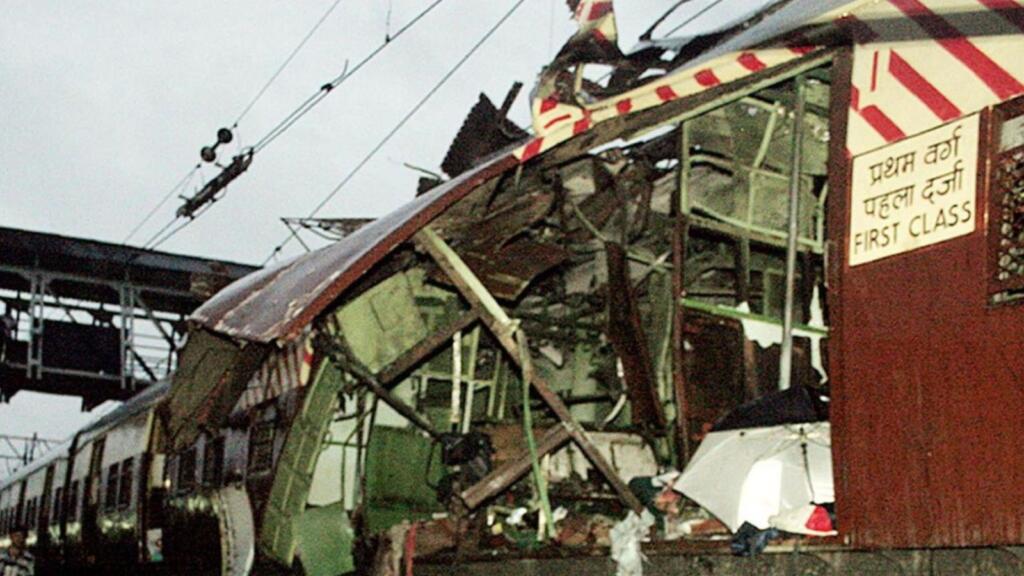
In just 11 minutes, seven bombs ripped through packed suburban trains in Mumbai during the evening rush hour. 187 innocent people lost their lives, and more than 800 others were injured. Families were shattered, lives upended, and the nation watched in horror.
Now, 19 years later, the Bombay High Court has acquitted all 12 men who were convicted in connection with the blasts, including five who were on death row. The court said something that should trouble every Indian: the prosecution utterly failed to prove the case.
This isn’t just a legal setback. It’s a heartbreaking moment of reckoning, for the victims in Mumbai who never got closure, for the innocent who spent years behind bars, and for a justice system that should have protected both.
A Failed Investigation
According to the court, the case built by the Maharashtra Anti-Terrorism Squad (ATS) and the prosecution simply didn’t hold up. There was no direct evidence, no solid forensic links, and confessions were reportedly taken under duress.
Key observations from the High Court revealed:
The prosecution relied heavily on statements that could not be independently verified.
Forensic evidence was either missing or not conclusively tied to the accused.
The entire investigation lacked the consistency and credibility needed in a case of such gravity.
In short, there were holes big enough to sink the entire case and that’s exactly what happened.
Real People, Real Lives, Left in the Lurch
Twelve men spent years, some nearly two decades, in jail for crimes that the court now says were never proven against them. Imagine the lost time, the broken families, the irreversible damage to reputations and mental health.
On the other side, families of the victims waited 19 long years for justice, only to be told that the investigation was so poor, the courts could not convict anyone with confidence. How do you explain that to someone who lost a child, a spouse, or a parent in that Mumbai blasts?
No One Is Held Responsible
What’s most troubling is this: not a single officer or prosecutor has been held accountable for what the High Court has essentially called a botched case. No internal inquiry, no disciplinary action, no transparency.
When investigators mishandle evidence, extract confessions through questionable means, or fail to follow due process, they not only risk letting the guilty go, they also destroy innocent lives. And yet, there is no law, no process, no culture of accountability that holds these officials answerable when they fail.
We’ve Seen This Before and May See It Again
This isn’t an isolated failure. Over the years, several high-profile terror cases, including the Malegaon blasts and the Samjhauta Express bombing, have fallen apart in court for similar reasons: lack of solid evidence, forced confessions, and unreliable investigations.
It’s become a pattern: arrest quickly, charge aggressively, and build weak cases that don’t hold up in court. The result? Public trust erodes, and true justice remains out of reach.
What Needs to Change
This moment should be a wake-up call. If we’re serious about justice, we can’t keep moving on like nothing happened. Here’s what’s urgently needed:
Accountability for investigators and prosecutors in failed cases. If doctors or pilots can be held liable for negligence, why not police and lawyers who mishandle lives?
Independent reviews of terror case investigations, especially where convictions are overturned.
Stronger forensic protocols and evidence standards to reduce reliance on confessions.
Legal reforms to ensure that those who fabricate or distort investigations are held accountable.
A Nation’s Wound, Still Open
The 2006 Mumbai train blasts were not just an act of terror. They were a trauma that touched every part of Indian society. The acquittal of all accused doesn’t just reflect a legal gap, it represents a moral and institutional failure.
If those responsible for the investigation face no scrutiny, no punishment, and no reflection, then justice has failed, not just once, but twice: first when the bombs went off, and now, when the system collapsed under its own weight.
It’s time we asked ourselves: How many more such failures can we afford?