























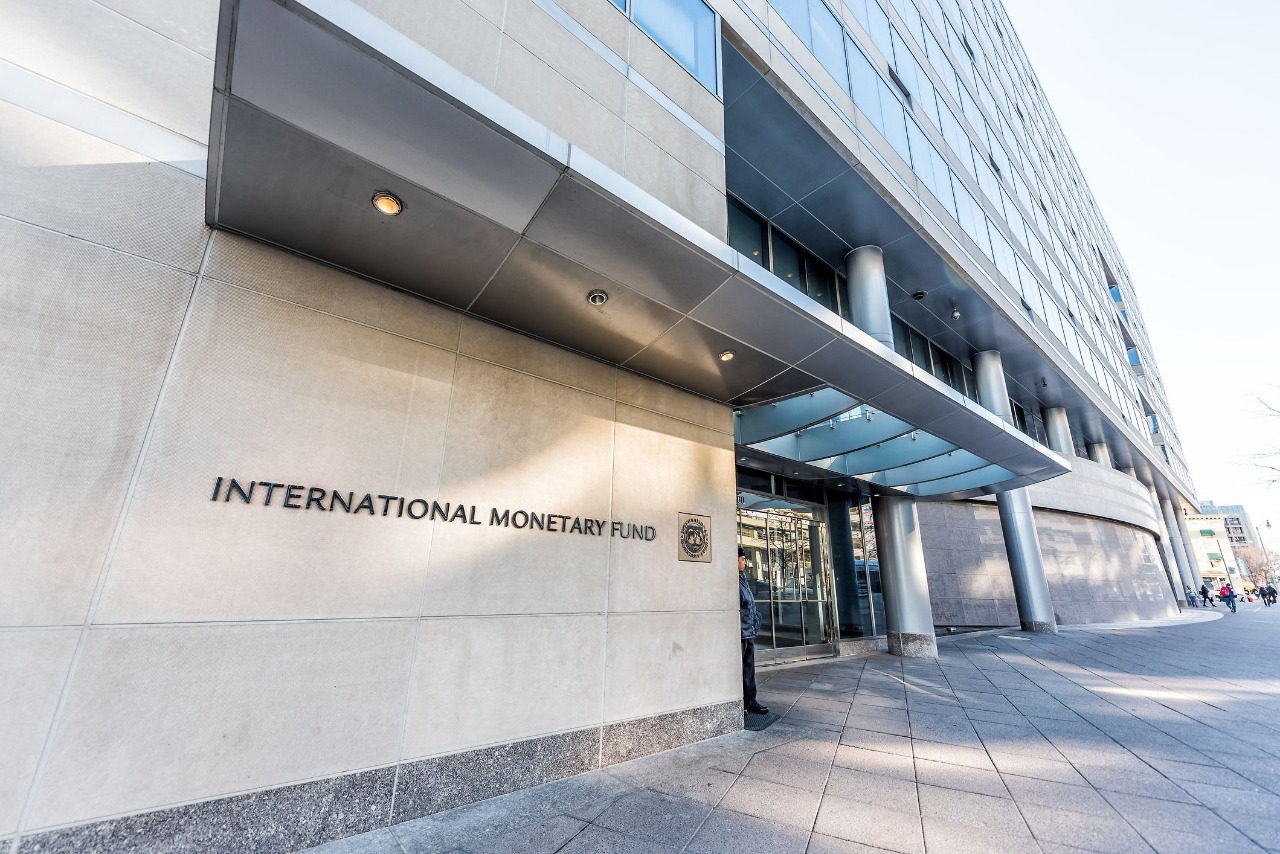
India’s homegrown digital payment platform, the Unified Payments Interface (UPI), has now become the world’s largest real-time payments system by volume, surpassing global financial giant Visa. This remarkable development was highlighted in a recent report by the International Monetary Fund (IMF), which praised UPI for its scale, efficiency, and impact on financial inclusion.
The IMF’s fintech report, titled “Growing Retail Digital Payments: The Value of Interoperability,” notes that UPI is now processing more than 640 million transactions every single day. This figure edges out Visa, which averages around 639 million daily transactions globally. The leap underscores India’s dominance in the digital payments space, driven by wide-scale adoption and strong backend infrastructure.
In June 2025 alone, UPI facilitated nearly 18 billion transactions, transferring a total of ₹24 lakh crore. That represents a 32 percent growth compared to the same month last year—evidence of both deepening penetration and rising trust among users and merchants alike.
What sets UPI apart is its design. Unlike traditional card networks that rely on proprietary systems, UPI offers true interoperability. It allows users to send or receive payments instantly across different banks and apps with just a phone number or a QR code—without needing to swipe a card or enter long account details. This has made it extremely popular for everyday transactions, whether for a street vendor or a large retail store.
Currently, UPI is responsible for a staggering 85 percent of all digital payments in India. It serves nearly half a billion users and over 65 million merchants, and connects to more than 670 banks nationwide. This infrastructure, built and supported by the National Payments Corporation of India (NPCI), has proven not only scalable but also globally replicable.
India isn’t stopping at domestic success. UPI is now operational in seven countries, including Singapore, the UAE, France, Nepal, and Mauritius. The Indian government is also advocating for its adoption among BRICS countries and working with international regulatory bodies like the Financial Action Task Force (FATF) to make cross-border UPI transactions smoother and more widely accepted.
The IMF praised India’s digital payments journey, particularly for the way UPI has brought millions of people into the formal economy. By removing the dependency on cash and reducing the cost of financial transactions, UPI has helped democratize access to digital banking services.
India’s success with UPI is now being seen as a potential model for other developing economies seeking to leapfrog legacy banking systems and build inclusive, digital-first financial ecosystems. With ongoing support and further global partnerships, UPI is poised to reshape how the world thinks about payments, fast, free, and for everyone.





