
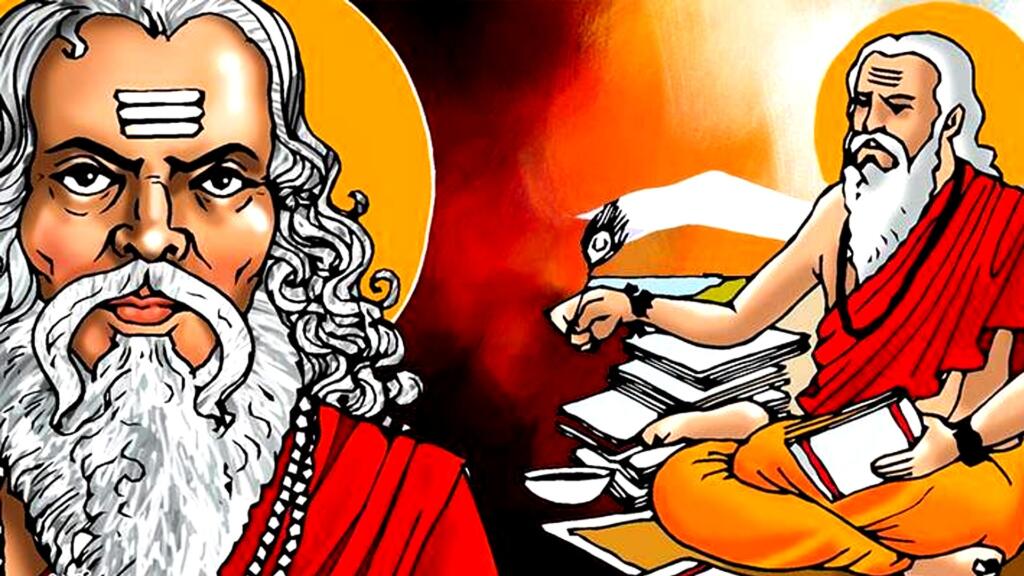
In a pioneering move, India has become the first country in the world to combine traditional medicine with modern artificial intelligence (AI) technology on a national scale. This historic achievement has been made possible through the upgraded Traditional Knowledge Digital Library (TKDL), a government-led initiative that aims to digitize, preserve, and protect India’s centuries-old health practices.
The TKDL project focuses on ancient systems such as Ayurveda, Unani, Siddha, Sowa-Rigpa, and Homeopathy, many of which date back thousands of years. These systems are a vital part of India’s cultural and medical heritage but were previously stored in palm-leaf manuscripts, ancient texts, and oral traditions—making them difficult to access or understand for modern researchers.
Now, with the help of AI and machine learning, this knowledge is being translated into multiple languages, organized into a searchable digital format, and made useful for scientific research and global collaboration.
Why This Matters
Preserving Heritage: Many traditional formulations were at risk of being lost due to the fragile nature of handwritten manuscripts or the fading of oral traditions. Digitizing them ensures their survival for future generations.
Preventing Biopiracy: For years, foreign companies have attempted to patent traditional Indian remedies as their own. The TKDL helps global patent offices verify that these remedies already exist, preventing wrongful patents and misuse.
Enabling Modern Research: AI tools can analyze massive datasets, allowing researchers to link traditional treatments to modern diseases. This opens the door to new medical discoveries, drug development, and improved healthcare.
Role of AI in Traditional Medicine
Artificial intelligence plays a key role in making traditional knowledge more useful today. Here’s how:
Translation & Structuring: AI helps translate ancient texts from Sanskrit, Tamil, Persian, and other languages into English and other global languages, while organizing them in a structured format.
Pattern Detection: It identifies patterns in herbal treatments, linking specific combinations to health outcomes.
Integration with Modern Science: AI connects traditional remedies to modern medical science, supporting research into new treatments for chronic and lifestyle-related illnesses.
Spotlight on Ayurgenomics
One of the most promising areas of research is Ayurgenomics, a new field that combines the Ayurvedic concept of body types (known as prakriti) with modern genetics. Ayurveda classifies individuals based on physical and mental traits into categories like Vata, Pitta, and Kapha.
By combining this traditional classification with genetic data, researchers aim to create personalized healthcare plans based on an individual’s unique biological makeup. AI is essential here, as it analyzes complex genetic and traditional data to guide diagnosis and treatment.
Global Recognition
The initiative has been applauded by the World Health Organization (WHO), which described India’s digital library as a “global benchmark” in its recent technical report titled “Mapping the Application of Artificial Intelligence in Traditional Medicine.” According to the WHO, India’s model shows how traditional knowledge can be made more effective and globally relevant through digital innovation.
Supporting Digital Platforms
Several digital platforms are also working alongside the TKDL to promote safe, scientific, and user-friendly access to traditional medicine:
Ayush Grid – A national IT platform for traditional healthcare delivery.
SAHI Portal – Focused on Ayurvedic scientific and historical evidence.
NAMASTE Portal – Connecting certified practitioners with patients worldwide.
Ayush Research Portal – A central hub for research papers, trials, and case studies.
These platforms make it easier for doctors, researchers, students, and the public to explore and benefit from India’s traditional medical systems.
A Vision for the Future
India’s integration of AI and traditional medicine is not just a national achievement—it’s a global model for innovation. As more countries look to preserve and digitize their indigenous medical systems, India is offering a blueprint for how to do it right: with respect for tradition, support from science, and the power of technology.
The government aims to continue expanding this digital initiative, making traditional medicine more evidence-based, accessible, and globally respected.
India’s AI-powered Traditional Knowledge Digital Library is helping bridge the gap between ancient wisdom and modern science. It protects heritage, supports innovation, and brings trusted, personalized healthcare one step closer to millions of people—not just in India, but around the world.