
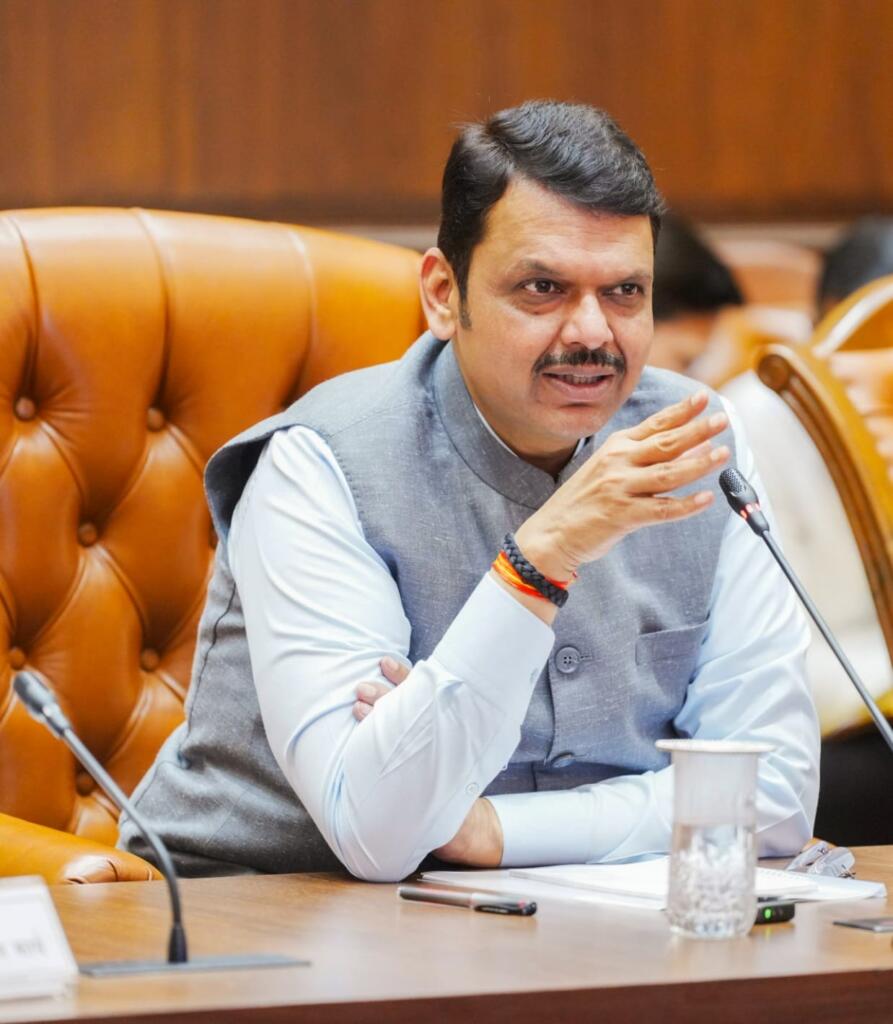
In a decisive move to uphold the integrity of India’s reservation system, Maharashtra Chief Minister Devendra Fadnavis has announced that SC (Scheduled Caste) certificates fraudulently obtained by individuals belonging to religions other than Hinduism, Buddhism, and Sikhism will be cancelled. This long-overdue action sends a powerful message: reservation is a constitutional right, not a loophole to be exploited.
Safeguarding Dalit Rights from Misuse
The reservation system was created to correct historical wrongs and provide justice to those oppressed by caste discrimination, a social evil uniquely rooted in Hindu society and addressed through constitutional protections for SCs. Over time, however, this system has been misused by individuals who convert to religions that do not recognize caste yet continue to claim SC reservation benefits.
Fadnavis’ decision, backed by the Supreme Court’s 2024 ruling, rightly restores the original intent of reservation: to aid those who still suffer the legacy of untouchability. Allowing others to unfairly claim those benefits undermines genuine Dalits who rely on them for upliftment.
Zero Tolerance for Fraud
Under the new policy, individuals who have wrongfully availed jobs, education, or political office using forged or ineligible caste certificates will face serious consequences including cancellation of benefits, recovery of salaries, and even nullification of election results.
The message is clear, the era of cheating the system is over. The integrity of public service and electoral democracy must be preserved by ensuring that only rightful claimants benefit from affirmative action.
Crackdown on Forced Religious Conversions
Fadnavis’ plan to introduce stricter anti-conversion laws is both timely and necessary. While religious freedom is a constitutional right; coercion, deceit, or financial inducement in the name of conversion is a crime. There have been multiple disturbing cases, such as the one in Sangli, where women were misled and abused under the pretext of marriage and religion.
The government’s intent to bring a law stronger than other states shows its commitment to protecting vulnerable sections of society, especially women and the poor from psychological and cultural exploitation.
Calling Out ‘Crypto Christians’: The Hidden Exploiters
BJP MLC Amit Gorkhe’s reference to ‘crypto Christians’ is not bigotry, it is a wake-up call. These are individuals who convert privately but continue to claim SC benefits by hiding their new faith. This is a clear abuse of the system and undermines the principle of equality.
Fadnavis has taken the bold step of identifying and confronting this duplicity head-on. This isn’t targeting any religion, it’s about protecting constitutional honesty.
Maharashtra Leads the Way for India
With this decision, Maharashtra is setting a national precedent. Fadnavis is showing political courage by taking on a sensitive issue most leaders prefer to ignore. His government is not only plugging legal loopholes but restoring faith in the very purpose of reservations.
As Minister of State for Home Pankaj Bhoyar rightly said, the upcoming anti-conversion law will be among the strongest in India. And it should be because exploitation under the guise of religion must not be tolerated.
Justice, Not Appeasement
Chief Minister Fadnavis’ announcement marks a watershed moment in India’s social justice framework. By separating genuine beneficiaries from imposters and cracking down on forced conversions, the Maharashtra government is standing up for constitutional morality, not communal appeasement.
In a time when political correctness often overshadows truth, this decision shows rare clarity and courage. It’s not just a policy, it’s a stand for fairness, transparency, and the spirit of Ambedkar’s vision.