
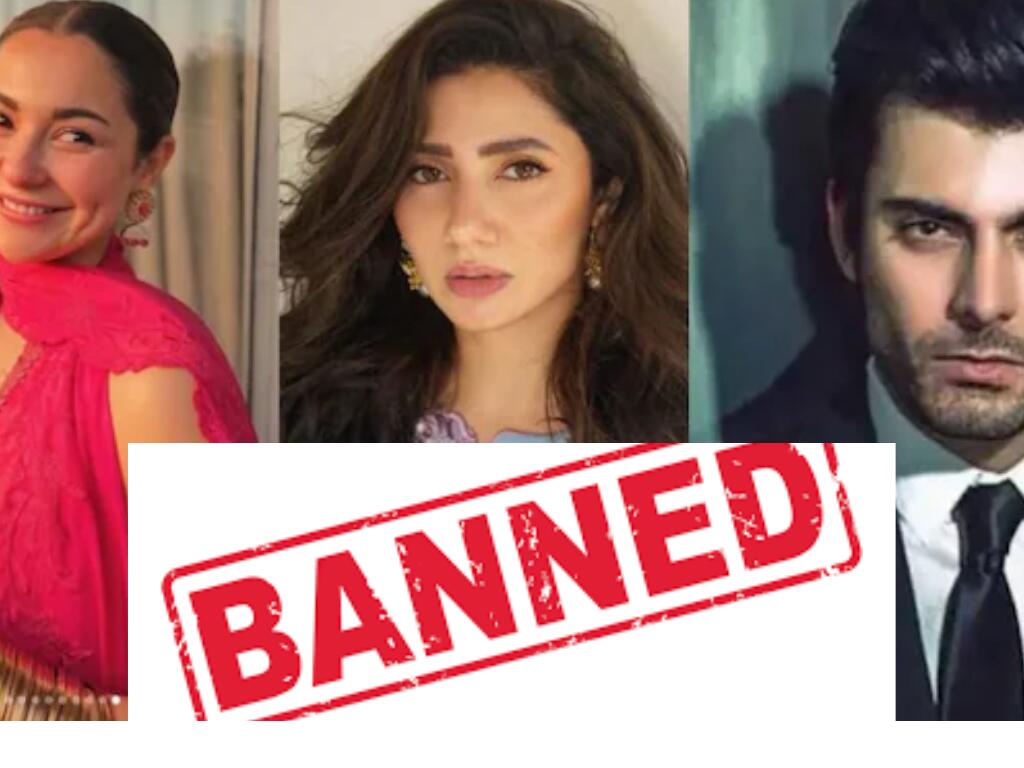
After briefly becoming accessible for a day, Pakistani actors’ and cricketers’ social media handles were once again geo-restricted in India. On July 2, Indian users were briefly able to view the Instagram accounts of stars like Mawra Hocane, Saba Qamar, Ahad Raza Mir, Yumna Zaidi, and Danish Taimoor. YouTube channels of cricketers Shahid Afridi and Shoaib Akhtar, as well as entertainment networks like Hum TV, ARY Digital, and Har Pal Geo, were also briefly unblocked. However, by the next morning, they were again blocked following an emergency internal review by the Government of India. This repeated restriction comes amid ongoing tensions between the two nations and renewed demands for a complete digital and cultural boycott of Pakistan.
Emergency Review Follows Technical Glitch
According to government sources, the brief visibility of Pakistani content in India was due to a technical glitch or delay in platform compliance, not a policy reversal. The Ministry of Electronics and Information Technology (MeitY) has reaffirmed that the original advisory issued on May 8, 2025, remains fully in effect. That directive, issued under the IT Rules 2021, instructed digital platforms to remove all Pakistani-origin content, including web series, films, songs, and social media channels.
The advisory cited national security, public order, and India’s sovereignty as grounds for the ban. It warned OTT platforms, streaming services, and intermediaries to comply immediately or face legal action. Officials clarified that while some accounts may still appear accessible to certain users temporarily, they will also be geo-blocked as backend compliance is completed.
Over 18,000 Pakistani Handles Blocked
So far, more than 18,000 Pakistani handles have been geo-restricted across Instagram, YouTube, Facebook, and X (formerly Twitter). These include celebrities, influencers, journalists, cricketers, singers, and entire media houses. Government officials confirmed that the restrictions are part of a broader national security response following recent terror attacks and rising calls from Indian civil society to completely sever cultural links with Pakistan.
One such vocal organisation is the All Indian Cine Workers Association (AICWA), which condemned the temporary reappearance of the accounts. In a strongly worded letter to Prime Minister Narendra Modi, AICWA called it an “insult to the families of terror victims” and reiterated its call for a permanent digital ban and complete cultural disconnection with Pakistan. AICWA cited past attacks including 26/11, Pulwama, Uri, and the recent Pahalgam massacre as grounds for a total blackout.
Operation Sindoor and Cultural Retaliation
India’s clampdown on Pakistani digital content is deeply tied to the broader strategic response to terrorism. On April 22, terrorists belonging to The Resistance Front—a proxy of Lashkar-e-Taiba—attacked a convoy of Indian tourists in Pahalgam, killing 26 civilians. The brutality of the attack shocked the nation and prompted immediate retaliation.
India responded with Operation Sindoor, a covert precision military strike that targeted nine terror bases across the Line of Control in Pakistan-occupied Kashmir. The operation not only dismantled terrorist launch pads but also sent a clear message that India would retaliate decisively against cross-border terror.
The fallout of Operation Sindoor saw several Pakistani celebrities openly criticise India’s military response, further inflaming public sentiment in India. This has directly contributed to the cultural boycott movement, with citizens, veterans, and nationalist groups demanding that India stop consuming Pakistani content altogether.
Economic Impact of the Cultural Ban
Banning Pakistani content in India has implications beyond politics. For decades, Indian viewership has been a major market for Pakistani entertainment, generating significant revenue through ad-based platforms and content licensing. Music videos, drama serials, and cricket content from Pakistan routinely trended in Indian digital spaces.
The removal of this audience will likely hit Pakistani entertainment houses financially. Networks like ARY Digital, Hum TV, and Har Pal Geo stand to lose lakhs in monthly digital revenue. Popular celebrities may also see a drop in brand collaborations and streaming numbers. With the Indian market closed off, Pakistani media is likely to experience an economic jolt at a time when their domestic economy is already under stress.
National Security Above All
The decision to once again block Pakistani digital content reflects India’s unflinching stance on national security. While cultural exchanges once had the potential to foster goodwill, repeated acts of cross-border terrorism and public glorification of anti-India narratives from Pakistani influencers have eroded trust.
India’s crackdown on Pakistani social media handles is a form of soft retaliation, aligning public sentiment with foreign policy. Until Pakistan takes firm steps to dismantle terror infrastructure and stop glorifying terrorism, New Delhi appears in no mood to allow even cultural infiltration. As the digital blackout tightens, it sends a loud and clear message India will no longer separate terror from entertainment.