
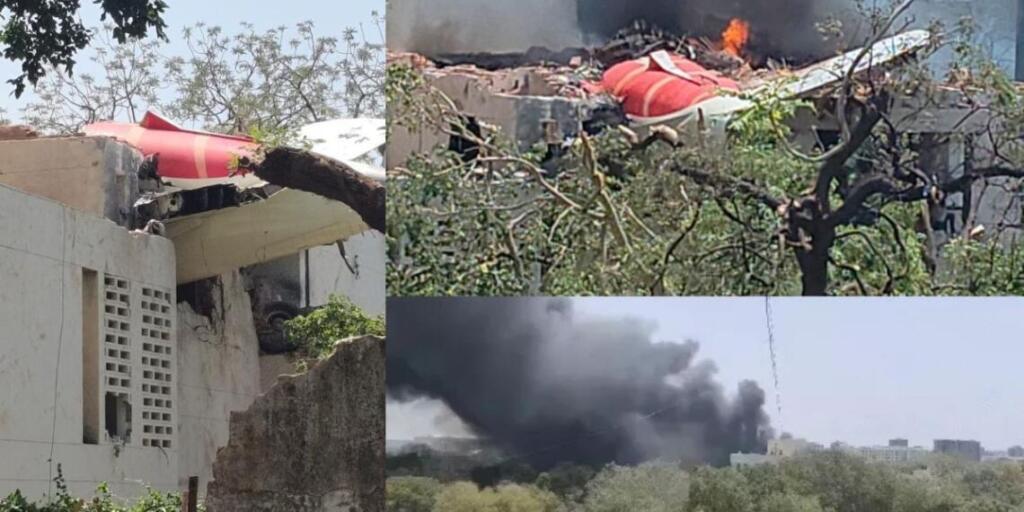
In a bold and necessary move, the Federation of Indian Pilots (FIP) has called out the Western media outlets Reuters and The Wall Street Journal for their deliberate misreporting and selective leaks over the tragic Air India crash in Ahmedabad. The pilots’ body has served legal notices to both outlets, accusing them of publishing speculative and defamatory content without basis in the official probe. This is not the first time foreign media has attempted to undermine India’s aviation sector and national institutions. The pattern of targeting Indian pilots and jumping to conclusions without facts is now being openly challenged by those in the cockpit.
Pilots’ Body Hits Back with Legal Notice
The Federation of Indian Pilots (FIP) has strongly rebuked Reuters and The Wall Street Journal (WSJ) for what it called “baseless” and “defamatory” reporting related to the June 12 Air India crash in Ahmedabad, which claimed over 260 lives. Acting swiftly, the FIP served legal notices to both media outlets over their stories that speculated on the cause of the crash without waiting for the final report from India’s official investigation authority. The preliminary findings from India’s Aircraft Accident Investigation Bureau (AAIB) did confirm that the fuel control switches of the Boeing 787 Dreamliner were set to “cutoff” shortly after takeoff, but did not assign any blame or conclude why or how the switches were toggled. Despite this, Reuters and WSJ chose to publish sensational narratives based on unnamed sources, alleging that the senior pilot may have deliberately shut off fuel to the engines.
Western Media’s Irresponsible Speculation
Reuters, in its July 17 article titled “Air India cockpit recording suggests captain cut fuel to engines before crash, source says”, leaned heavily on unnamed sources and speculative interpretation. The article was based on a Wall Street Journal piece which had earlier claimed that “new details in Air India crash probe shift focus to senior pilot.” Both outlets relied on information allegedly sourced from US officials and investigations that were not part of the official Indian probe, effectively casting aspersions on the now-deceased pilots without verifiable evidence. According to FIP, this is a dangerous form of journalism that not only misrepresents facts but also disrespects the deceased and inflicts avoidable trauma on their families.
Defending India’s Pilots and Due Process
The Federation of Indian Pilots minced no words in its response. “Reuters shall desist from publishing or circulating any content that speculates on the cause of the crash or attributes fault to any individuals, especially deceased pilots, in the absence of official confirmation and final report,” the legal notice stated. FIP President Captain CS Randhawa further asserted that the publications had not properly understood the AAIB report and were instead using it to drive misleading narratives. He warned of legal consequences if such reporting continued. The FIP emphasized that nowhere in the official AAIB report is there any conclusion pointing to pilot error or intent. The body demanded a retraction, an editorial disclaimer, and a clarification be added to the original articles, along with removal of any lines that attribute blame without official proof.
AAIB Warns Against Selective Foreign Reporting
Backing the pilots’ concerns, the Aircraft Accident Investigation Bureau (AAIB) issued its own statement, cautioning international media outlets against selective and speculative reporting while the investigation is still in progress. The AAIB underscored that publishing unverified content undermines the credibility of the official investigative process and could disrupt due process. Notably, this isn’t the first time Western outlets have rushed to conclusions involving Indian aviation. In the past, Indian airspace, safety records, and pilot training have often been unfairly maligned by global media, with little regard for facts or local expertise. The current attempt to paint Indian pilots as careless or culpable fits that larger pattern of narrative control by certain Western outlets.
Indian Pilots Defend Truth
The FIP’s firm action against Reuters and WSJ marks a turning point in how Indian aviation professionals respond to foreign media bias. For too long, Western outlets have treated India’s institutions whether in aviation, defense, or politics—with casual contempt and speculative headlines. The pilots’ demand for accountability is not just about one crash or two articles it’s a call to defend professional integrity, national dignity, and the right to factual representation. As India’s investigative agencies work through complex data and black box evidence, it is crucial that media—domestic or foreign—wait for facts before spinning narratives. The FIP has drawn a clear line: respect the truth, or face the consequences.