
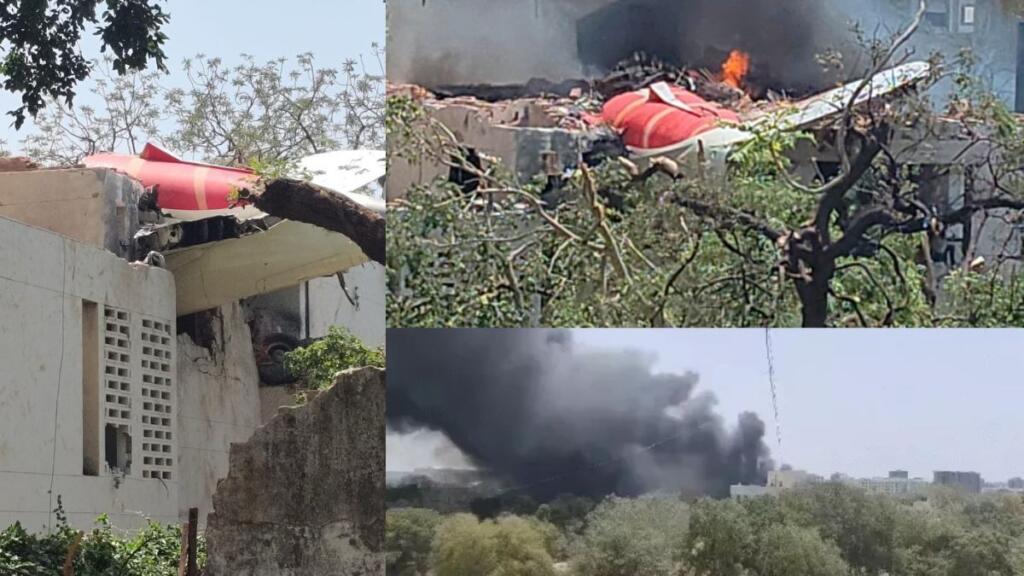
The preliminary probe into the catastrophic crash of Air India Flight AI 171 has set off a firestorm, not just over what it says, but what it has failed to clarify. Instead of providing reassurance or transparency, the initial report has sparked wild speculation that is unfairly tarnishing the reputation of the flight’s pilots and unsettling the aviation community at large.
Allegations
Leading pilot associations in India have expressed deep anger and frustration over the growing public narrative that points fingers at the AI 171 cockpit crew. The Indian Commercial Pilots Association (ICPA), representing Air India’s narrow-body fleet pilots, has strongly condemned what it calls ‘reckless and unfounded’ theories suggesting the crash may have been due to pilot suicide or intentional error.
‘These insinuations, emerging from incomplete and preliminary data, are not only irresponsible, but they are also profoundly insensitive to the grieving families and colleagues of the crew,’ said the ICPA in a sharply worded statement.
The Airline Pilots’ Association of India (ALPA-I) has also weighed in, warning that the investigation appears to be skewing toward a ‘prejudged conclusion’ of pilot fault. ALPA-I President Sam Thomas urged for a fair and transparent probe and requested that pilot associations be allowed to participate as observers to ensure accountability and balance.
What the Preliminary Report Says
The 15-page report released by the Aircraft Accident Investigation Bureau (AAIB) identifies a critical incident moments after takeoff: both engine fuel control switches transitioned from ‘RUN’ to ‘CUTOFF’ within seconds of each other, leading to catastrophic fuel starvation and power loss.
A snippet from the cockpit voice recorder (CVR) reveals one pilot questioning the other about cutting off fuel, only to be told, ‘I didn’t.’ However, the report does not state who moved the switches, nor does it include the full CVR transcript. No motive, no mechanical fault, and no final conclusion have been drawn at this stage.
Yet, despite the AAIB clearly stating that this is a preliminary report based on early data, several media outlets and commentators have jumped to the suggestion that human error or worse, intentional action was at play.
Pilots Deserve Due Process
Pilot associations are urging the public and press to show patience and allow investigators to complete their work. ‘Suggesting pilot suicide based on incomplete information is unethical, sensationalist, and a violation of journalistic responsibility,’ the ICPA noted.
It also pointed out that commercial airline pilots are subjected to rigorous psychological evaluations, recurrent training, and operate under globally recognized safety protocols. To reduce a tragedy of this scale to simplistic assumptions about pilot error is both unjust and counterproductive.
‘The crew of AI 171 acted under high-stress conditions in accordance with their training. They deserve empathy, not baseless blame,’ the ICPA stated, offering full solidarity to the families and colleagues of the lost crew.
Aviation Accidents Are Rarely Caused Due To a Single Factor
Experts agree that aviation disasters are typically the result of a chain of failures- technical, procedural, environmental, or human, and not a singular mistake. Rushing to find a scapegoat this early in the investigation undermines the purpose of the entire process.
The AAIB is expected to release its final report within a year, as per international aviation investigation protocols. Until then, pilot bodies and aviation insiders are asking for patience and professionalism in both the media coverage and public discussion.
In a country where air travel is growing rapidly, the stakes for aviation safety and credibility are higher than ever. Indian aviation deserves a thoughtful, fact-based approach to accidents, not knee-jerk narratives that unfairly vilify professionals.
Let the investigators do their job. Let the facts speak, not the speculation.