
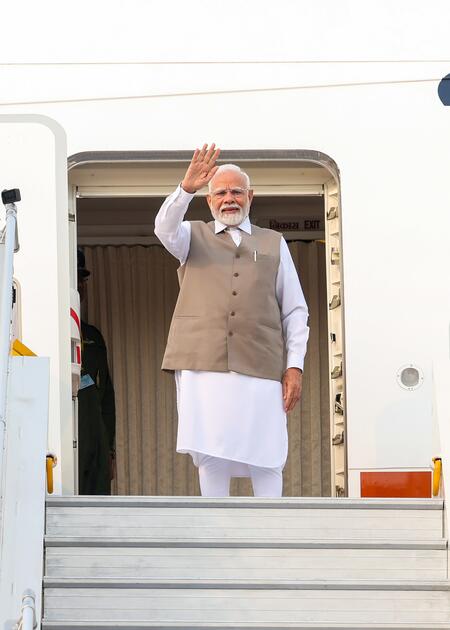
In a bold move that comes just days after the Pahalgam terror attack and the decisive Operation Sindoor by Indian security forces, Prime Minister Narendra Modi has embarked on a high-stakes, three-nation tour—visiting Cyprus, Canada, and Croatia.
The five-day visit (June 15–19) marks a significant moment in India’s foreign policy doctrine, with terrorism, technology, trade, and strategic alignment at the core. The timing is not coincidental—India has just reminded the world through Operation Sindoor that while it talks peace, it acts decisively when provoked. And now, PM Modi carries that message to the global stage.
Cyprus: Strengthening Historic Friendships in a Shifting World Order
PM Modi’s first destination is Cyprus—a country that has stood firm with India in its condemnation of cross-border terrorism. The island nation not only mourned with India after the Pahalgam terror attack, but also vowed to raise the issue of Pakistan-sponsored terrorism within EU forums.
this marks the first Indian Prime Ministerial visit to Cyprus in over two decades. PM Modi will hold talks with President Nikos Christodoulides and address business leaders in Limassol. Strategic discussions will revolve around trade, defence, technology, and people-to-people ties. As Cyprus prepares to take over the Presidency of the Council of the EU in 2026, India’s outreach here is both timely and calculated.
Canada: Taking the Global South’s Voice to the G7 Summit
From Cyprus, PM Modi heads to Kananaskis, Canada, to participate in the G7 Summit at the invitation of Canadian Prime Minister Mark Carney. This will be Modi’s sixth consecutive G7 appearance, underlining India’s growing weight in global affairs.
But this visit holds deeper undercurrents. Canada has been under scrutiny for its Khalistani sympathies and soft approach to anti-India elements. PM Modi’s presence will not just highlight India’s priorities on global energy, AI, and innovation—but it will also serve as a diplomatic pressure point, making it clear that India expects real action against extremism, not lip service.
At the G7, Modi is expected to push the narrative of the Global South, ensuring that the developing world is no longer sidelined in elite Western policy circles.
Croatia: First-Ever Visit by any Indian PM – Forging New European Equations
The final leg of PM Modi’s visit will take him to Croatia on June 18, marking the first ever official visit by an Indian Prime Minister to the country.
India and Croatia share cultural links spanning centuries, but this visit aims to elevate those bonds into strategic cooperation. Key focus areas include defence collaboration, digital innovation, AI, and quantum research. Meetings with President Zoran Milanovic and PM Andrej Plenkovic are expected to set the tone for a long-term Indo-Croatian partnership.
The visit also broadens India’s European outreach, positioning Croatia as a potential gateway for India’s deeper engagement with the EU.
A Global Tour with a Clear Nationalist Message
This 3-nation tour is not business-as-usual. It comes at a time when the world needs clarity—and India is providing it. The message is unambiguous: terrorism must be named, shamed, and eradicated—no matter the perpetrator, no matter the region. In his statement before departure, PM Modi said:
“This is an opportunity to galvanise global understanding on tackling terrorism in all its forms and manifestations… and thank our partner countries for their steadfast support to India’s fight against cross-border terrorism.”
It’s a tour that follows India’s swift response to terror with Operation Sindoor, showcasing India’s military resolve at home and diplomatic assertiveness abroad.