
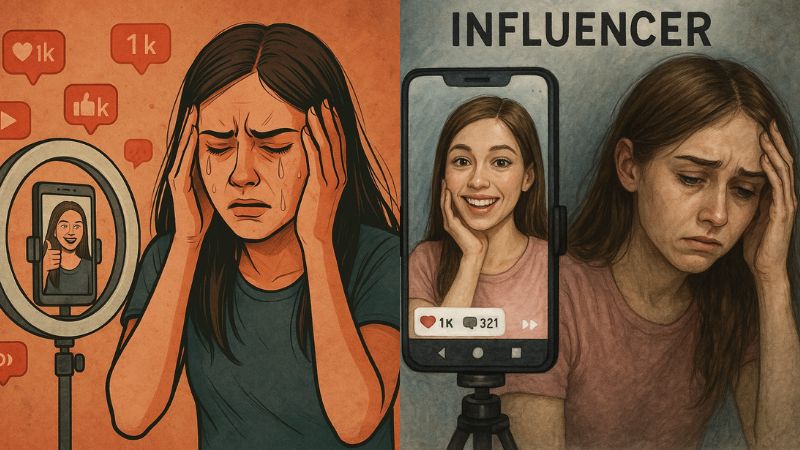
The tragic death of 24-year-old influencer Misha Agrawal, just two days before her 25th birthday, has once again brought to the forefront an acutely disturbing problem: the hidden mental health crisis brewing beneath the glamorous veneer of social media. Best known for her down-to-earth content and following who loved her real self, Misha took her own life on April 24, 2025. Her family confirmed the tragic reason for her demise to be that she collapsed upon losing Instagram followers.
In a heart breaking post by her sister on Misha’s Instagram account, the brutal reality was unveiled. Misha had set her self-value and mission on one number—1 million follower mark. She went into a depression when she began losing followers. Her phone background, on which she had placed her edited Instagram profile on her phone indicated “1M Followers,” expressed the extent of her obsession.
“Instagram ain’t real life and followers ain’t real love,” her sister posted, cautioning others against allowing virtual metrics to define reality.


But Misha’s tragedy is not singular. Her story resonates with the pain of numerous influencers who suffer silently, burdened by the pressures of a manufactured digital existence. The world views such influencers as happy, successful, and satisfied. But behind the screens, there are numerous individuals who fight loneliness, bullying, and the specter of obsolescence.
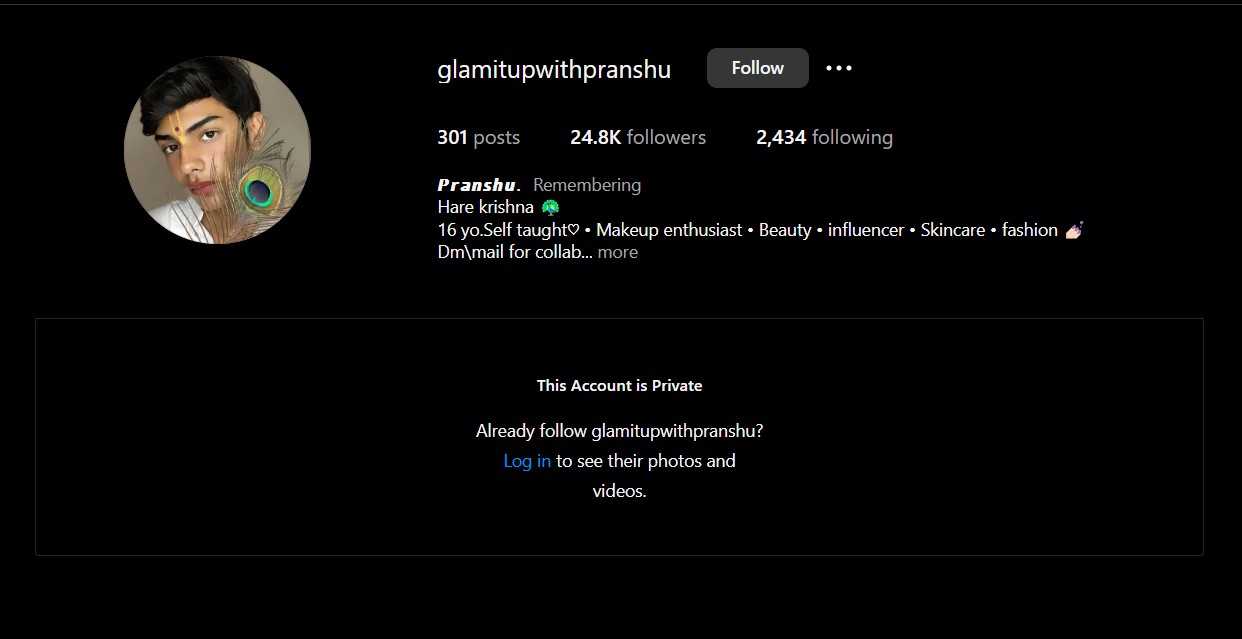
Earlier this year, a Kerala teenager who was still in Class 12 took her own life after being trolled online after a breakup. Another heart-wrenching incident was that of Pranshu, a Class 10 student from Ujjain and an aspiring influencer @glamitupwithpranshu, who took his life after a torrent of homophobic abuse after posting a Diwali reel where he had dressed up in a saree. Bullied and taunted for being himself, Pranshu’s suicide highlighted the devastating potential of online hate, especially among queer youth.

In Turkey, 26-year-old Kubra Aykut, who had become famous for her viral ‘wedding without a groom’ video, committed suicide after leaping from her apartment. A suicide note found at the scene read, “I was good to everyone, but I couldn’t be good to myself. In this life, be selfish. That way, you will be happy.”


In Gurugram, Simran Singh, known to fans as RJ Simran, also died by suicide. In spite of having a near 700,000 following, she silently suffered from emotional trauma. Her relatives disclosed that she had been depressed for some years, although no suicide note was discovered.


Such tales highlight an alarming fact: followers, likes, and trending posts can paint a smile on your face but hide emotional traumas. More and more influencers are now coming under performance pressure, algorithmic anxiety, online harassment, and the pressure of staying current.
Social media, as it provides a platform for connection and creativity, also creates an echo chamber of affirmation where numbers are currency. When those numbers decline, the emotional cost can be staggering. For most young influencers, Instagram or TikTok is not just an app—it’s their world, their identity, and their income.
It’s more important than ever now to begin discussing this openly. Mental health among influencers is still a very much unspoken subject. We need to teach young creators and audiences alike that self-worth is not determined by social media. Followers may be gained or lost, but life—with all its complexity and beauty—is worth so much more.
To influencers: your value isn’t quantifiable. Your existence, your imagination, your individuality, and your happiness are worth more than algorithms. Social media is a tool to a purpose, not your life.
To followers: be kind with your words. Behind every reel and selfie is a human with feelings Trolling, hate, and judgment can push someone over the edge.
Also Read: Mangaluru: Mob hacks Suhas Shetty to death; media brands Hindu activist a ‘rowdy’
And to society at large: let’s design a world that prioritizes mental health, supports emotional expression, and never makes anyone feel alone. Let’s construct places—both in and out of cyberspace—where all individuals feel heard, seen, and respected.
The tragic passing of Misha, Pranshu, Simran, Kubra, and so many others is an eye-opener. It’s time to move beyond the vision of influencers as infallible faces on screens and start viewing them as flesh-and-blood human beings with flesh-and-blood problems. We owe it to them, and the future generation of content producers, to make cyberspace a kinder, gentler place.