







TFIPOST हिन्दी
TFIPOST Global
Tfipost.com
Tfipost.com
No Result
View All Result
  • Premium
  • Politics
    • All
    • Analysis
    • Opinions
    • Trending
    BJP for Indians in Middle East war

    Modi Accuses Congress of Endangering Indians Amid Middle East War, Vows Relentless Safeguards

    Modi in Kerala

    Modi’s Kerala Blitz: PM Accuses LDF–UDF of Systemic Loot, Positions NDA as State’s First Real Alternative

    Ecosystem Narrative Sparks Debate Over Nepal Arrests and Political Messaging in India

    Ecosystem Narrative Sparks Debate Over Nepal Arrests and Political Messaging in India

    Arvind Kejriwal Sparks Debate Over Nepal Arrests, Links Them to ‘Past Misdeeds’

    Arvind Kejriwal Sparks Debate Over Nepal Arrests, Links Them to ‘Past Misdeeds’

    • Analysis
    • Opinions
    • Trending
  • Economy
    • All
    • Business
    • Economy1
    • Finance
    Key Indian Oil & Gas Tankers

    India Moves to Secure Energy, Calm Markets as West Asia Crisis Deepens

    PM Modi Inaugurates Noida International Airport Phase 1 at UP’s Jewar, Will Boost Delhi-NCR connectivity

    PM Modi Inaugurates Noida International Airport Phase 1 at UP’s Jewar, Will Boost Delhi-NCR connectivity

    Piyush Goyal at WTO Cameroon

    India Calls for Reset of Global Trade Rules, Defends Consensus at WTO Summit

    India's trade and industrial growth

    Budget 2026 Signals Strategic Shift: SEZ Reforms Aim to Unlock Domestic Sales and Boost Export Power

    • Business
    • Finance
  • Defense
    • All
    • Defence
    • Strategy
    • Weaponry
    Key Indian Oil & Gas Tankers

    India Moves to Secure Energy, Calm Markets as West Asia Crisis Deepens

    Govt Denies Third-Party Role in PM–Trump Call, Rejects Elon Musk’s Participation Claim

    Govt Denies Third-Party Role in PM–Trump Call, Rejects Elon Musk’s Participation Claim

    Modi Inaugurates Jewar Airport, UP

    Jewar Airport Inaugurated as India Unveils Ambitious Aviation Hub, Flights Await Final Clearance

    Next‑Gen Warfare: Indian Army to Order 800‑km BrahMos Missiles to Boost Long‑Range Strike Capability

    Next‑Gen Warfare: Indian Army to Order 800‑km BrahMos Missiles to Boost Long‑Range Strike Capability

    • Defence
    • Strategy
    • Weaponry
  • Geopolitics
    • All
    • Africa
    • Americas
    • Asia Pacific
    • Europe
    • South Asia
    • West Asia
    US: No King Protest

    ‘No Kings’ Protests Sweep Across US and Europe Amid Opposition to Trump Policies

    Key Indian Oil & Gas Tankers

    India Moves to Secure Energy, Calm Markets as West Asia Crisis Deepens

    Piyush Goyal at WTO Cameroon

    India Calls for Reset of Global Trade Rules, Defends Consensus at WTO Summit

    Oli-Lekhak Arrested

    Nepal’s Political Reckoning: Ex-PM Oli Arrested for Role in Deadly Crackdown

    • Africa
    • Americas
    • Asia Pacific
    • Europe
    • South Asia
    • West Asia
  • Knowledge
    • All
    • Culture
    • Education
    • History
    • Indology
    The Fall of Lhasa: How Nine Days in 1959 Changed Tibet Forever

    The Fall of Lhasa: How Nine Days in 1959 Changed Tibet Forever

    Ram-avatara on the Pages of Time: A Tale of Virtue, Organised Power, and the Struggle Against Evil

    Ram-avatara on the Pages of Time: A Tale of Virtue, Organised Power, and the Struggle Against Evil

    Ram Navmi: Global Journey

    Ram Navami: A Major South Asian Festival and the Global Journey of the Ramayana

    Jammu University Row: Panel Recommends Dropping Jinnah-Linked Topics, Sparks Academic and Political Debate

    Jammu University Row: Panel Recommends Dropping Jinnah-Linked Topics, Sparks Academic and Political Debate

    • Culture
    • History
    • Indology
  • Law
  • Lounge
    • All
    • Books
    • Cinema
    • Entertainment
    • Food
    • Games
    • Health
    • Lifestyle
    • Satire
    • Sports
    • technology
    • Travel
    Rajiv Gauba at 16th India Probiotic Symposium

    India’s Diet Shift Fuelling Silent Health Crisis, Warns NITI Aayog at Probiotic Summit

    Modi Inaugurates Jewar Airport, UP

    Jewar Airport Inaugurated as India Unveils Ambitious Aviation Hub, Flights Await Final Clearance

    Poshan Tracker App

    Inside India’s Digital Nutrition Mission: How Poshan Tracker Is Rewiring Anganwadi Delivery

    China Signals Fresh Outreach to India, Calls for Youth-Driven Innovation Partnership

    China Signals Fresh Outreach to India, Calls for Youth-Driven Innovation Partnership

    • Books
    • Cinema
    • Food
    • Health
    • Sports
    • technology
    • Travel
    • Satire
Tfipost.com
  • Premium
  • Politics
    • All
    • Analysis
    • Opinions
    • Trending
    BJP for Indians in Middle East war

    Modi Accuses Congress of Endangering Indians Amid Middle East War, Vows Relentless Safeguards

    Modi in Kerala

    Modi’s Kerala Blitz: PM Accuses LDF–UDF of Systemic Loot, Positions NDA as State’s First Real Alternative

    Ecosystem Narrative Sparks Debate Over Nepal Arrests and Political Messaging in India

    Ecosystem Narrative Sparks Debate Over Nepal Arrests and Political Messaging in India

    Arvind Kejriwal Sparks Debate Over Nepal Arrests, Links Them to ‘Past Misdeeds’

    Arvind Kejriwal Sparks Debate Over Nepal Arrests, Links Them to ‘Past Misdeeds’

    • Analysis
    • Opinions
    • Trending
  • Economy
    • All
    • Business
    • Economy1
    • Finance
    Key Indian Oil & Gas Tankers

    India Moves to Secure Energy, Calm Markets as West Asia Crisis Deepens

    PM Modi Inaugurates Noida International Airport Phase 1 at UP’s Jewar, Will Boost Delhi-NCR connectivity

    PM Modi Inaugurates Noida International Airport Phase 1 at UP’s Jewar, Will Boost Delhi-NCR connectivity

    Piyush Goyal at WTO Cameroon

    India Calls for Reset of Global Trade Rules, Defends Consensus at WTO Summit

    India's trade and industrial growth

    Budget 2026 Signals Strategic Shift: SEZ Reforms Aim to Unlock Domestic Sales and Boost Export Power

    • Business
    • Finance
  • Defense
    • All
    • Defence
    • Strategy
    • Weaponry
    Key Indian Oil & Gas Tankers

    India Moves to Secure Energy, Calm Markets as West Asia Crisis Deepens

    Govt Denies Third-Party Role in PM–Trump Call, Rejects Elon Musk’s Participation Claim

    Govt Denies Third-Party Role in PM–Trump Call, Rejects Elon Musk’s Participation Claim

    Modi Inaugurates Jewar Airport, UP

    Jewar Airport Inaugurated as India Unveils Ambitious Aviation Hub, Flights Await Final Clearance

    Next‑Gen Warfare: Indian Army to Order 800‑km BrahMos Missiles to Boost Long‑Range Strike Capability

    Next‑Gen Warfare: Indian Army to Order 800‑km BrahMos Missiles to Boost Long‑Range Strike Capability

    • Defence
    • Strategy
    • Weaponry
  • Geopolitics
    • All
    • Africa
    • Americas
    • Asia Pacific
    • Europe
    • South Asia
    • West Asia
    US: No King Protest

    ‘No Kings’ Protests Sweep Across US and Europe Amid Opposition to Trump Policies

    Key Indian Oil & Gas Tankers

    India Moves to Secure Energy, Calm Markets as West Asia Crisis Deepens

    Piyush Goyal at WTO Cameroon

    India Calls for Reset of Global Trade Rules, Defends Consensus at WTO Summit

    Oli-Lekhak Arrested

    Nepal’s Political Reckoning: Ex-PM Oli Arrested for Role in Deadly Crackdown

    • Africa
    • Americas
    • Asia Pacific
    • Europe
    • South Asia
    • West Asia
  • Knowledge
    • All
    • Culture
    • Education
    • History
    • Indology
    The Fall of Lhasa: How Nine Days in 1959 Changed Tibet Forever

    The Fall of Lhasa: How Nine Days in 1959 Changed Tibet Forever

    Ram-avatara on the Pages of Time: A Tale of Virtue, Organised Power, and the Struggle Against Evil

    Ram-avatara on the Pages of Time: A Tale of Virtue, Organised Power, and the Struggle Against Evil

    Ram Navmi: Global Journey

    Ram Navami: A Major South Asian Festival and the Global Journey of the Ramayana

    Jammu University Row: Panel Recommends Dropping Jinnah-Linked Topics, Sparks Academic and Political Debate

    Jammu University Row: Panel Recommends Dropping Jinnah-Linked Topics, Sparks Academic and Political Debate

    • Culture
    • History
    • Indology
  • Law
  • Lounge
    • All
    • Books
    • Cinema
    • Entertainment
    • Food
    • Games
    • Health
    • Lifestyle
    • Satire
    • Sports
    • technology
    • Travel
    Rajiv Gauba at 16th India Probiotic Symposium

    India’s Diet Shift Fuelling Silent Health Crisis, Warns NITI Aayog at Probiotic Summit

    Modi Inaugurates Jewar Airport, UP

    Jewar Airport Inaugurated as India Unveils Ambitious Aviation Hub, Flights Await Final Clearance

    Poshan Tracker App

    Inside India’s Digital Nutrition Mission: How Poshan Tracker Is Rewiring Anganwadi Delivery

    China Signals Fresh Outreach to India, Calls for Youth-Driven Innovation Partnership

    China Signals Fresh Outreach to India, Calls for Youth-Driven Innovation Partnership

    • Books
    • Cinema
    • Food
    • Health
    • Sports
    • technology
    • Travel
    • Satire
No Result
View All Result
Tfipost.com
Tfipost.com
No Result
View All Result
  • Premium
  • Politics
  • Economy
  • Defense
  • Geopolitics
  • Knowledge
  • Law
  • Lounge

What made Christianity what it is today, Chapter 1: The Beginning

Abhishek Kumar Singh by Abhishek Kumar Singh
23 August 2022
in Premium
Christianity
Share on FacebookShare on X

There are a lot of things in the public domain which are taken as an archetypal truth. Primary reason behind it is that the phenomenon is so old that people forget the rationale behind it first coming into existence. Abrahamic religion Christianity is also one such phenomenon. As western world kept getting liberalised, they kept forgetting what made their religion what it is today.

Initial spread of Judaism

It won’t be wrong to term Christianity as an offshoot of Judaism. After Sanatan, Judaism is considered as the second oldest major religion in the world. After the agricultural revolution, Hebrews developed a tradition of worshiping Gods to bring good weather and other benefits. Over the period of time, the phenomenon turned into monotheism. It is said that God made a special Covenant (agreement) with Abraham, establishing Judaism as a religion in the land of Israel.

RelatedPosts

‘No Kings’ Protests Sweep Across US and Europe Amid Opposition to Trump Policies

India Moves to Secure Energy, Calm Markets as West Asia Crisis Deepens

Modi Accuses Congress of Endangering Indians Amid Middle East War, Vows Relentless Safeguards

Load More

But, the Land of Israel was not always peaceful. At the end of the day, the place had its origin in tribal warfare, and it continued even after the establishment of Judaism. The 3 century war between the Ptolemaic and Seleucid empires made it more difficult for the average Jew to survive. Later, natural disasters like flood, thunderstorms also contributed to increased economic hardship for the descendants of Abraham. In 63 BCE, Roman General Pompey had conquered Jerusalem. Jewish started to diversify over the land of Israel, Anatolia, Babylon, Alexandria and even Rome.

Romans, Jews and Jesus

On the other hand, Greeks had their own sets of problems with Jews. Romans were also quite protective of their culture, and they believed in securing Pax Deorum (the Goodwill of the Gods). The Roman Gods were different from Jewish Gods but there were attempts to assimilate Judaism into the Roman Empire. The relationship between Jews and Romans can be termed as Love-Hate relationship spread over multiple timestamps.

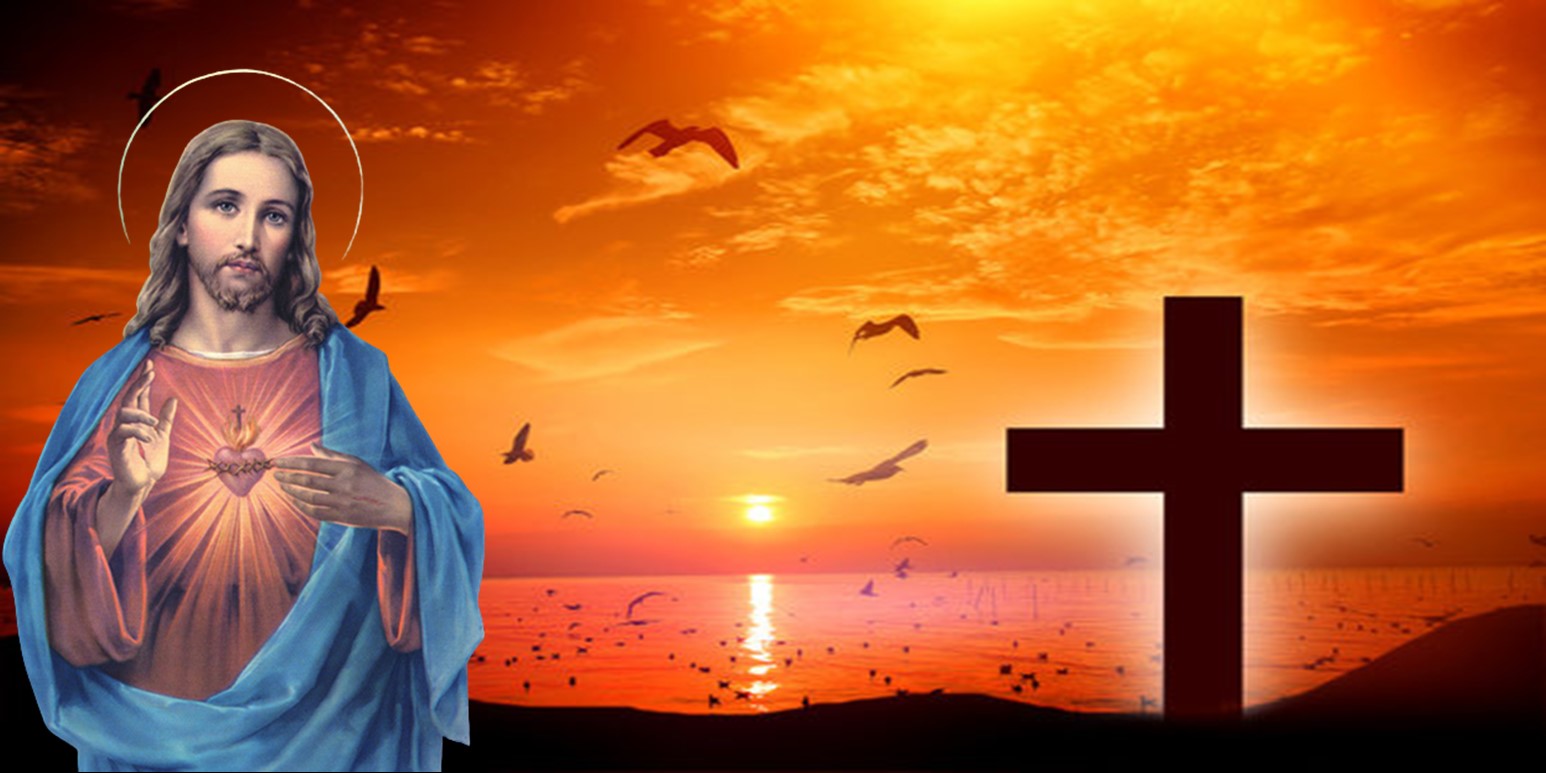
But, the arrival of Jesus Christ really complicated the problem. Jesus Christ was born in a traditional Jewish family, but he did not find Judaism as an optimal solution to the existential crisis. He was particularly unhappy with the way Rabbis ran the system. Jesus found Rabbis efficient when it came to running the administration, but highly inefficient when it came to passing on divine guidelines to the General populace. Jesus wanted Rabbis to tell him and others about morality, Dharm and other aspects of life.

Teachings of Jesus

When he failed to get the answers about consciousness, it is said that he strived on the path of misery and went to Palestinian deserts. Legends have it that on the 40th day of an excruciating journey, Jesus Christ is said to have got the right message. After coming back from the desert, Jesus Christ started to spread his message in the Roman Empire.

Jesus mainly attracted the poor and downtrodden of the system. He is said to be extremely charismatic due to stories of his miracles like walking on water. He used to air his anti-authoritarian views and told poor people that they should devote their lives to the service of God rather than to the kings and kingdoms present on Earth. For him, it was a sure shot way of getting to heaven. According to Jesus’ teachings, rich people just could not go to heaven.

Demise of Jesus Christ

 Teachings of Jesus were neither in parlance with those of Romans nor he had much in common with Judaism. Resultantly, he had small fan base, but remarkably, these followers were extremely loyals. 12 Disciples of Jesus namely Simon Peter, Andrew, James (the son of Zebedee), John, Philip, Bartholomew, Thomas, Matthew, James (the son of Alphaeus), Thaddaeus, Simon the Zealot and Judas Iscariot went into history books as well.

Soon, more and more people joined Jesus Army and the aristocracy of Jews started to feel more and more threatened. Simultaneously, Romans also perceived him as a roadblock in their Pax Deorum. He could not survive the onslaught from all corners and was crucified in 29 AD. It is pertinent to note that contrary to popular opinion, Jews did not crucify him, it was Romans whose wrath led to the ultimate demise of Jesus Christ.

Crucifixion only helped Christianity

But crucifixion did not bring the desired result for Romans and Jews. Ultimately, the sacrificial motifs behind the crucifixion motivated more people to join the movement, still an offshoot of Judaism. The movement was further fuelled by Jews’ idea of an ultimate Messiah, who would come in times of trouble and save the world. The life story of Jesus and his resurrection qualified almost every criteria reserved for ultimate messiah till now. More and more Jews thought that the kingdom slated to be ruled by the saviour messiah was just about to take shape.

Sympathy wave, resurrection after crucifixion and parlance with ultimate messiah pulled more and more Jews towards the new cult, still considered a part of Judaism. Post-Jesus onus of leading people believing in Jesus was taken by James the Just, brother of Jesus.  They called themselves “disciples of the Lord ” and “followers of the Way ”. Jews religious scholars tried to stop the flow towards Christianity but could not.

Jewish-Roman fights

At the same time, pontifacts (priests in Roman Temples) were also feeling annoyed by the rising popularity of Jesus. Though, Christianity and Judaism were having cultural wars, Romans saw it as the other side of the same coin. For more than 4-decades after the crucifixion of Jesus, Romans and Jews kept engaging in small skirmishes, sometimes turning into riots.

Role of Paul the Apostle

While all this was going on, Paul the Apostle who had the history of participating in persecution of disciples of Jesus, suddenly started to believe that Jesus was the Jewish messiah. Legends have it that he and his followers were blinded by a light brighter than that of the Sun. Later, risen Christ addressed him about his persecution. His lost eyesight was restored by Ananias, a disciple of Jesus. Soon, Paul was a devoted Christian.

Paul took Christianity to a whole new level. It was he who declared that followers of Jesus need not to be Jews. Now, Paul held Roman citizenship and so it became more so easy for him to spread the message of Jesus. He helped in spreading Christianity throughout the Mediterranean. The biggest factor in the spread of Christianity was its welcoming attitude towards people from non-Jewish faiths.

Paul saved the day during Jewish-Roman war

Paul’s message turned out to be saving grace for Christianity in the Roman empire. At that time tensions between Romans and Jews were at an all-time high. 2 years after the death of Paul, in 66 AD, the first Jewish-Roman war had kicked off. Apparently, it was started because Jews decided to revolt against Roman kings. Within 7 years, Romans destroyed Jerusalem and the Second Temple. Jews were also subjected to religious tax in 70 AD. The war ended with the fall of Masada in 73 AD.

War only helped Christianity

Judaism was at the brink of extinction. Neither did they possess their geographical location as Judea was taken by Romans, nor did they have Temple or any other institution which is a considerable part of polity. Naturally, Christianity was the way out for more and more Jews. Christians’ decision to not adhere to Jewish orthodoxy played a key role in their expansion. Moreover, James, Jesus’ brother, the main advocate for Christians sticking with Judaism was killed by Romans.

After the war, compared to Judaism there were less hurdles for Christianity in the Roman Empire. Romans were more tolerant of it, though, they refused to give it a legal status. Christians now found it safe to have differences and organise debates and deliberations to solve them. It was also spreading beyond the Roman Empire. At the same time, Jewish influence was not eliminated. A lot of Christians still wanted to adhere to Judaism as their fundamental guiding philosophy, but they did not want to leave Christianity either.

Solving differences in Christianity

The Early church found a middle path. It made itself both Greek as well as Jewish. It became one of the reasons why the number of gospels in the New Testament is 4. Matthew told Jews that Jesus was fulfilling Old Testament prophecies. Mark was giving Christianity lessons to Romans, while Luke told Greeks that by following Jesus’ path, they can live a happy life. Only the Gospel of John talked to all audiences.

Christians were also divided over the origin of Jesus. Two factions kept debating over whether Jesus was a prophet sent by the God or God, Jesus and Holy Spirit are the same things. The advocate of the latter phenomenon termed it as trinitarianism while the former phenomenon was called non-trinitarianism. Southern Europe remained largely trinitarian while Northern became non-trinitarian.

Adoption by Romans

Meanwhile, mere 3 decades after the first Jewish-Roman wars, Roman empire started to decline. Romans were also suffering a philosophical crisis since Roman Gods did not offer after life opportunities, but Christianity did. As a result, like Jews, more and more Romans rushed towards this cult. But Roman aristocracy was not ready to accept it and it took nearly 250 years for Christianity to grab the positive attention of a Roman king named Constantine.

Roman king Constantine was not a hereditary king. He was born to a pagan but was raised by Christian mother. He earned the throne by fighting wars. It is said that before one such war, someone instructed in his dream to paint the symbol Chi-Rho (first two Greek letters of Christ) on his army’s shields. He won the war and was thankful to Jesus. As a token of thanks, he promulgated the Edict of Milan in 313 AD which legalised Christianity, though paganism was still in charge. Edict only meant that Christianity could also contribute to Pax Deorum.

Also Read: A Guide for Every Hindu Who wants to Practice Sanatan Dharma But Doesn’t Know Where To Begin

East and West divide

It took 67 more years for Christianity to be accepted as the state religion of the now divided Roman Empire. In 380 AD, emperor Theodosius finally made it a state religion. With the adaptation by Romans, came the need to tinker with Christian festivals. Christianity festivals got assimilated with Roman festivals and this is where tradition to celebrate Jesus’ birthday on 25 December every year came in.

Other than accepting Christianity as state religion, Theodosius also made a decision which led to two schisms in Christianity. He split his empire into two sons. Along with empires bifurcating east and west, Church also drifted farther apart on the same lines. Roman West and Greek East took Christianity in two separate directions. Though they were united on larger meanings, various aspects of how to go through daily lives varied.

There were also contentions about the nature of Jesus as well. Greeks said that Jesus was divine while Romans said that Jesus was both human and divine. Greeks said that since he was divine it was impossible for Jesus to sin. On the other hand Romans said that Jesus was both human and divine so he could sin (because he was a human), but choose not to.

Fights continued but Christianity kept expanding. Nearly 250 years later, they had to interact with a new religion called Islam. In the next chapter of the series, we will talk about the impact of Islam on Christianity.


Support TFI:

Support us to strengthen the ‘Right’ ideology of cultural nationalism by purchasing the best quality garments from TFI-STORE.COM

Also Watch:

ShareTweetSend
Previous Post

India’s envoy rips into China high on the power of UNSC chair

Next Post

Collection of 25 Dragonfly quotes and captions

Related Posts

Mera Ration 2.0: A Leap Towards Digital Transparency and Corruption-Free India
Business

Mera Ration 2.0: A Leap Towards Digital Transparency and Corruption-Free India

13 September 2024

How India's Latest Digital Initiative is Revolutionizing Ration Distribution India is making significant strides in the digital realm with...

The Lahore declaration that was not meant to be
History

The Lahore declaration that was not meant to be

25 February 2023

For a long time, India’s geographical region of Kashmir has been a sensitive issue between India and Pakistan. But...

Baikunth Shukla
History

Bihar’s Forgotten Sons: Yogendra Shukla and Baikunth Shukla

22 February 2023

Story of Baikunth Shukla and Yogendra Shukla: Have you been to Bihar before? Stop assuming. I'm not referring to...

Load More

Leave a Reply Cancel reply

Your email address will not be published. Required fields are marked *

I agree to the Terms of use and Privacy Policy.
This site is protected by reCAPTCHA and the Google Privacy Policy and Terms of Service apply.

Currently Playing

Ethanol, EVs and Solar- How India’s Energy Game Is Changing | Modi on LPG & Crude Oil | war| Hormuz

Ethanol, EVs and Solar- How India’s Energy Game Is Changing | Modi on LPG & Crude Oil | war| Hormuz

00:05:21

Truth of IRIS Dena: 8 Days That Changed Narrative | War zone Reality, Not an Indian Navy Exercise

00:08:02

300 Million Euros for SCALP: Strategic Necessity or Costly Dependency on France300

00:04:06

Tejas Mk1A: 19th aircraft coupled but Not Delivered: What Is Holding Back the IAF Induction?

00:07:21

Agni-3 Launch Decoded: Why Test an Active Nuclear Missile That’s Already Deployed?

00:05:05
Facebook Twitter Instagram Youtube
tfipostTfipost.com
Right Wing | News Analysis | Indian Opinion
  • About us
  • Contact Us
  • Careers
  • Brand Partnerships
  • Terms of use
  • Privacy Policy
  • Sitemap

©2026 TFI Media Private Limited

No Result
View All Result
  • Premium
  • Politics
    • Analysis
    • Opinions
    • Trending
  • Economy
    • Business
    • Finance
  • Defense
    • Defence
    • Strategy
    • Weaponry
  • Geopolitics
    • Africa
    • Americas
    • Asia Pacific
    • Europe
    • South Asia
    • West Asia
  • Knowledge
    • Culture
    • History
    • Indology
  • Law
  • Lounge
    • Books
    • Cinema
    • Food
    • Health
    • Sports
    • technology
    • Travel
    • Satire
TFIPOST हिन्दी
TFIPOST Global

©2026 TFI Media Private Limited